





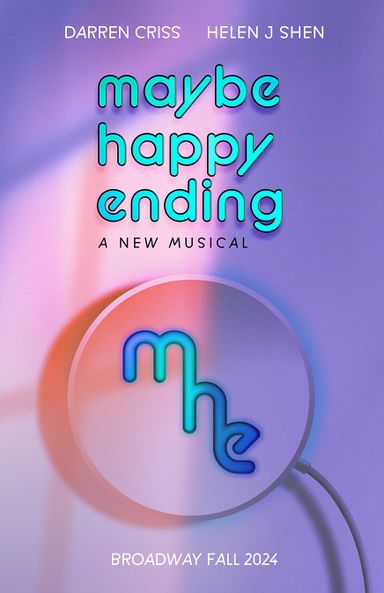


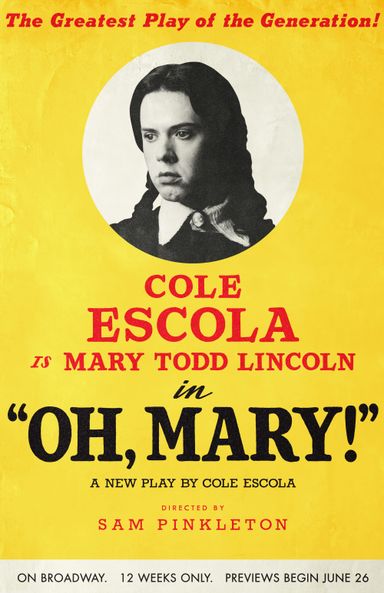
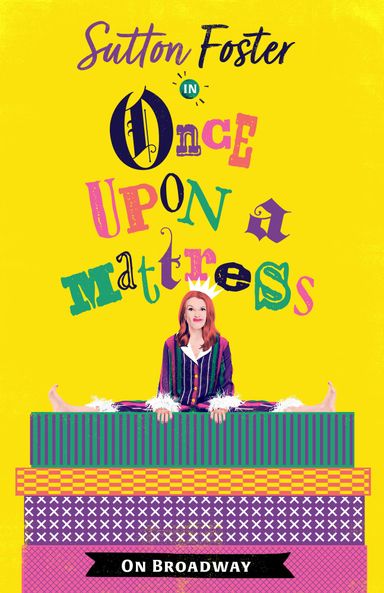
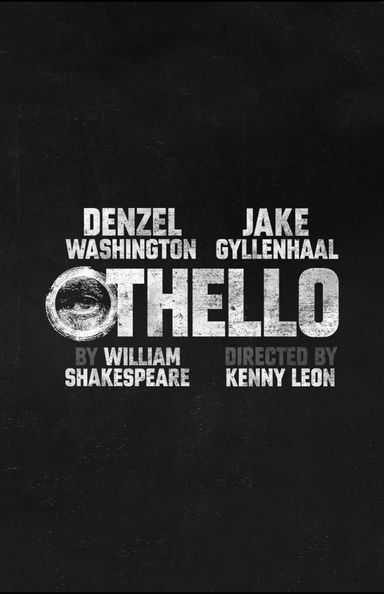





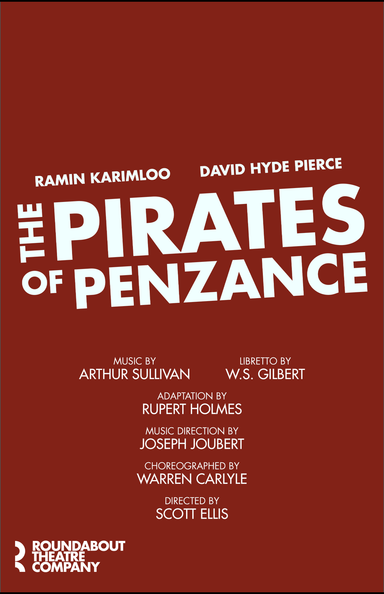





Introducing a show to someone who didn’t even know it existed is one of my favorite parts of working in Broadway advertising. Building awareness is a crucial starting point in every customer journey. For Broadway, YouTube has become one of the most effective tools to make that first impression.
What are YouTube Ads?
YouTube Ads are video ads displayed across multiple placements within a YouTube video or YouTube feeds, including:
- Skippable in-stream ad: plays before, during or after a YouTube video and is skippable
- Non-skippable in-stream ad: plays before, during or after YouTube videos and the viewer is not able to skip
- In-feed video ad: appears within YouTube’s app home feed, subscription feed, “watch next” feed or search results and can play video when interacted with
- Bumper ad: a video that is six seconds or less played before, during or after a YouTube video that cannot be skipped
- Masthead ad: a video that appears at the top of the YouTube home feed and auto-plays without sound
- Short ad: a video played between YouTube Shorts in the Shorts feed for highly engaged users
These are displayed on YouTube and other video partner sites.
Typically, all of these video ads will follow a specific format:
- 15-30 seconds in length
- Make by the production
- Feature a popular song from the show (if applicable)
- Quote reviews and stories from various publications
- Include a voiceover that matches the tone and provides further information
- Concludes with an endcard highlighting all of the important details
It’s crucial the first five seconds grabs the viewer's attention, since, for skippable in-stream ads, they’ll be able to skip after that time frame. Once you’ve gotten their attention, that 15-30 second clip can help the viewer rapidly determine whether this show is one worth pursuing.
Using YouTube ads, you’ll be able to reach your target audience based on their interests. For example, if you’re releasing a new romantic comedy musical, your ad may be played for people who:
- Recently watched Broadway YouTube videos
- Click on rom-com-related content
- Follow musical theater YouTube accounts
One of the reasons YouTube has become such a popular advertising platform for Broadway is a fairly new placement called YouTube Shorts. Similar to Instagram Reels, these are short-form videos that are mobile-friendly and more convenient to scroll through; in turn, more people are likely to watch. Interestingly enough, Google reports that, “In the U.S., 65 percent of Youtube Shorts users don’t use Instagram Reels.” This lack of overlap illuminates the potential for greater reach to consumers by advertising in both places.
While YouTube Ads are often the first interaction someone has with a show, they are just one part of a broader advertising strategy. YouTube video advertising can generally be broken down into three types of campaigns: Youtube Video Ads (as mentioned above), Demand Gen and Performance Max. Understanding each campaign type and how they support a different phase of the customer journey will also help you understand how they work together.
Youtube Video Ads campaign
As described above, a YouTube Video Ads campaign is designed to introduce your show and build awareness through compelling video ads shown before, during and after YouTube videos. When using this for Broadway, we want to let people know that the show is happening, launching soon or closing so that they look into it or keep it in the back of their mind for later. Essentially, a YouTube video ad builds curiousity.
A YouTube Video Ads campaign aims to do the following:
- Build awareness surrounding your brand/product
- Drive traffic to your show’s website
Since YouTube Ads may show up in other Google campaigns — such as Demand Gen or Performance Max — it’s important to understand what each of those campaigns do, too.
Demand Gen campaign
We use a Demand Gen campaign to continue building consumer interest and generate a demand for the show using compelling video, imagery and text. A Demand Gen campaign also provides insights about which audiences are engaging most with your ads. Here, YouTube is not the main focus. While the campaign serves ads on YouTube, it also serves ads and reports engagement on Gmail, Google Maps, Google Display Network and Google Discover.
A Demand Gen campaign aims to:
- Generate a demand for your product (hence the name)
- Utilize AI to serve your top-performing ads to viewers who are most likely to be interested in your show, even if they haven’t searched for it yet
Performance Max campaign
A Performance Max campaign is typically used as an endpoint to push viewers over the finish line to purchase. The viewers of this campaign have already seen ads for your show across the internet; we know they’re interested, and it’s finally time to buy the ticket. Ads throughout YouTube are part of this campaign, but similarly to Demand Gen, they’re not necessarily one of the focal points of the campaign. And a Performance Max campaign relies on a variety of creative imagery.
A Performance Max campaign aims to:
- Narrow the audience of video ads to those who are most likely to buy tickets
- Directly increase online sales by converting potential ticket buyers to ticket buyers
Broadway shows are audio-visual products, so the audio-visual medium of YouTube is an effective place to introduce that experience. A first impression from a YouTube ad can have a significant impact on how audiences remember and engage with a production throughout the rest of the advertising campaign. Once viewers become more familiar with the show, Demand Gen will continue the push by providing visuals on YouTube and other Google platforms. Together, YouTube Video Ads, Demand Gen and Performance Max support different stages of the customer journey: introducing a production, building consideration and converting interest into ticket sales.
Kayla Lopez is a digital advertising assistant at the Pekoe Group, supporting the digital team to ensure strong campaigns, accurate data reporting and overall optimization.