












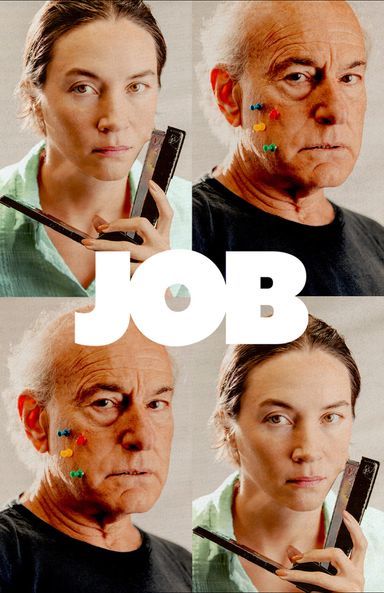






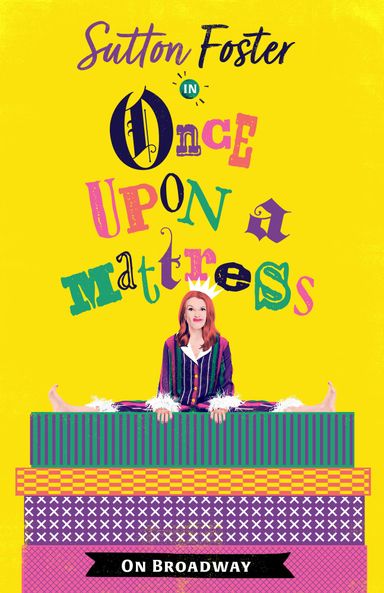







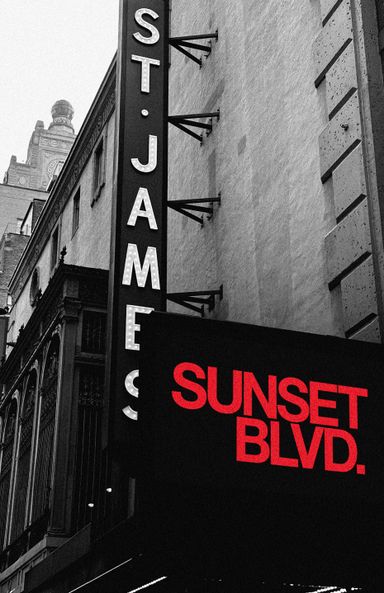











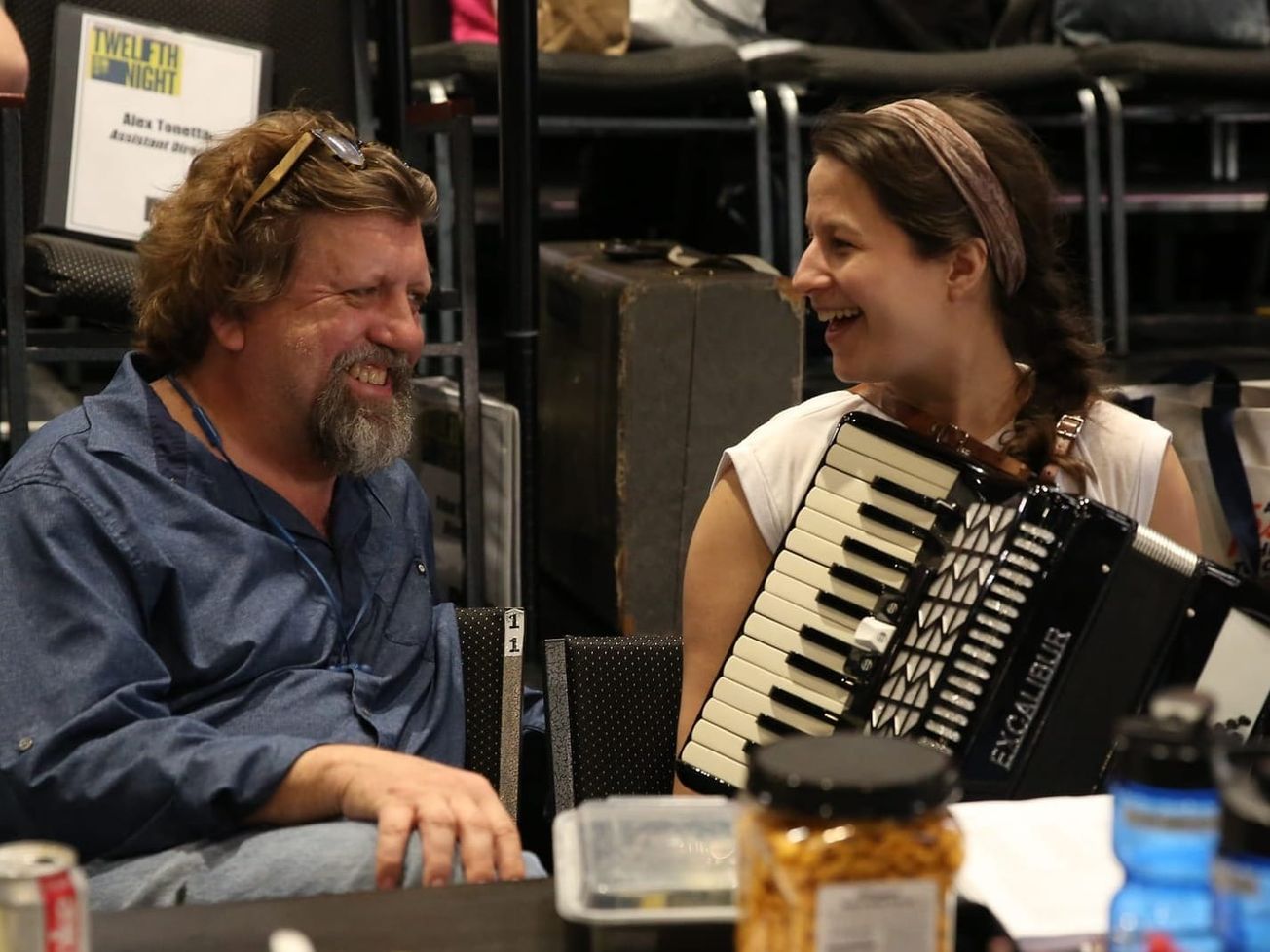
Oskar Eustis, longtime artistic director of Off-Broadway’s Public Theater, has announced that he will be stepping down from his position on July 31, 2028, when his current contract expires. The date coincides with his 70th birthday as well as the 60th anniversary season at the Public’s Astor Place location in downtown Manhattan. Eustis began as artistic director in 2005. While the Public is an Off-Broadway presenting venue and producing company, it has been the birthing ground for multiple works that have impacted the American theater canon and those that have gone on to Broadway.
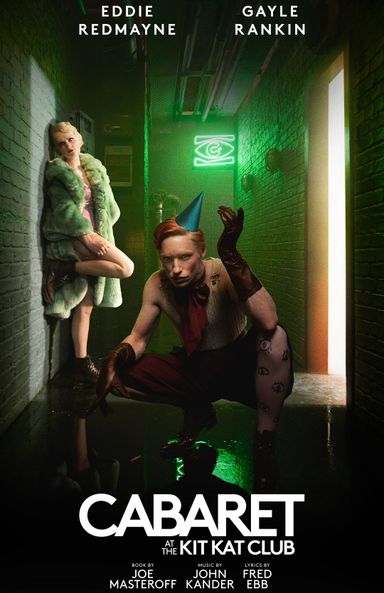
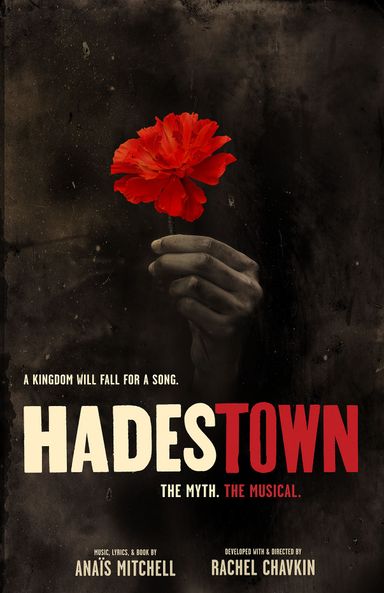
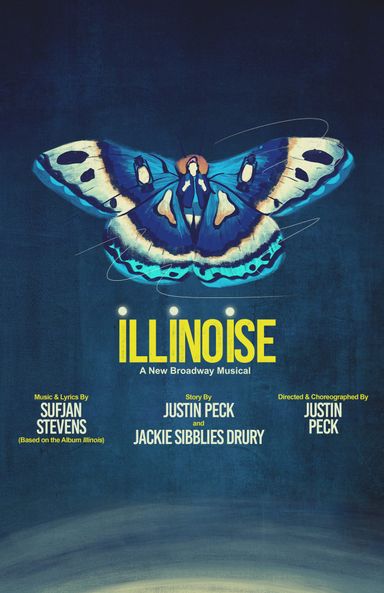
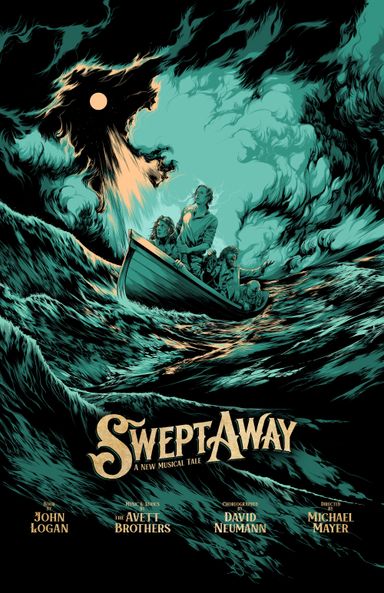
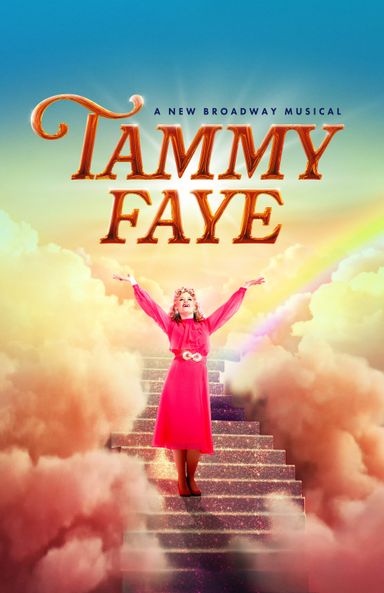
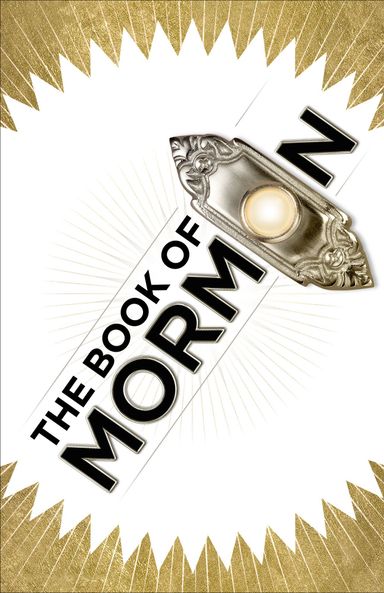
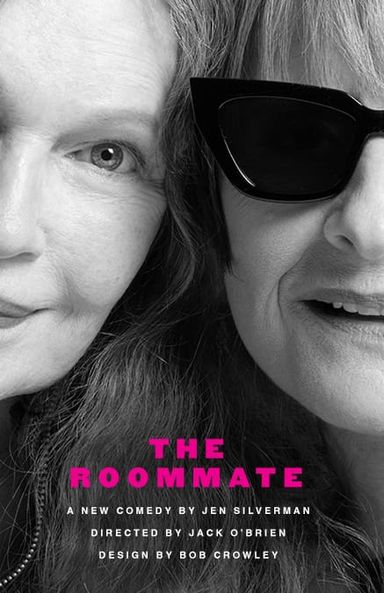
During his 21-year tenure, thus far, the Public produced 20 plays and musicals that transferred to Broadway, beginning with Lisa Kron’s “Well” in 2006 through Alicia Keys’ “Hell’s Kitchen” in 2024. In that same time span, the Public also served as a Broadway producer on 20 shows. (Nineteen of the shows that transferred to Broadway were also produced on Broadway by the Public. “Straight White Men” began at the Public, but the nonprofit did not produce it on Broadway; the Public produced “The Motherf*cker with the Hat” on Broadway, but the tragicomedy did not play the Off-Broadway venue first.)
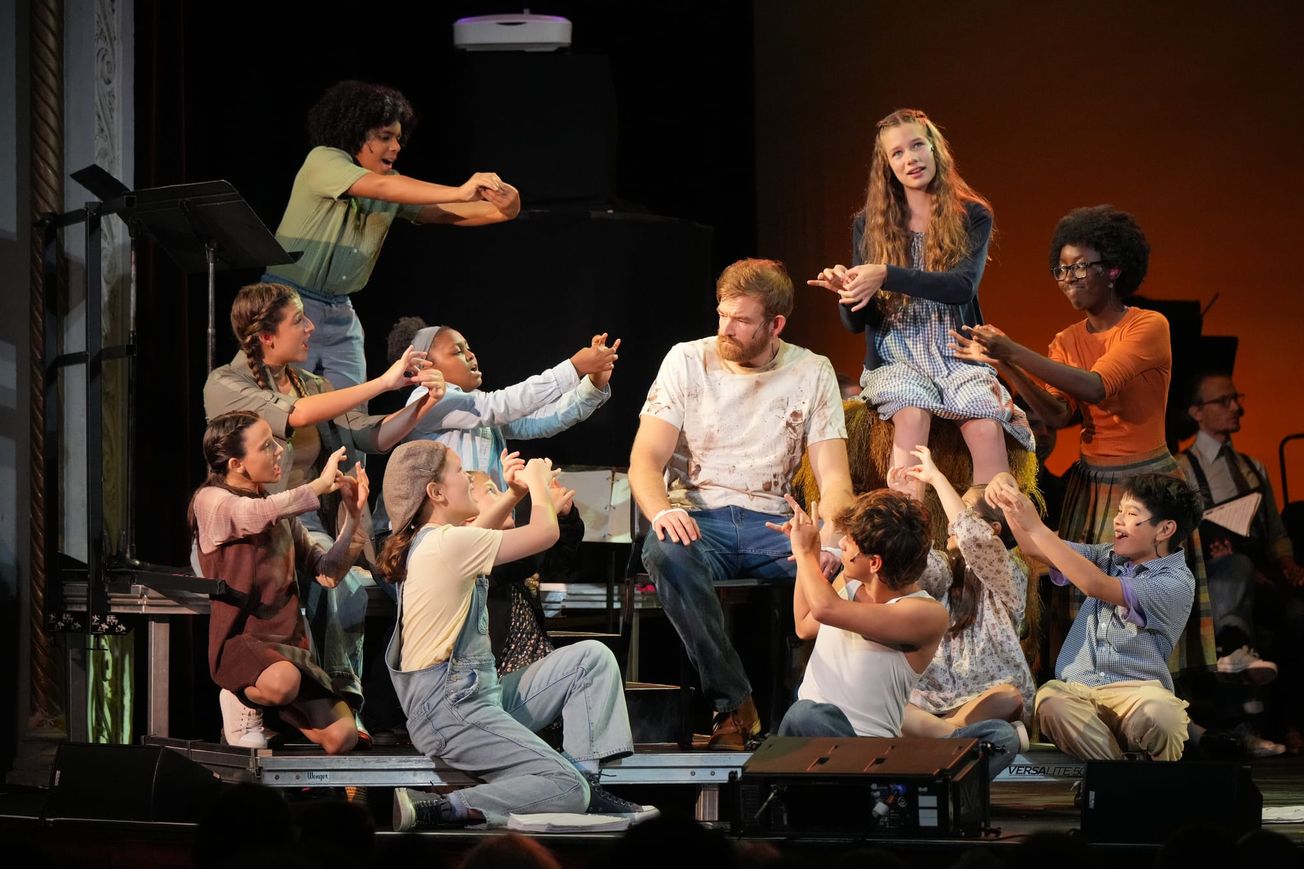
Of these 21 total shows, 16 went on to be nominated for the Tony Award in their respective best production category, with three crowned as winners: “Hair” (Best Revival of a Musical, 2009), “Fun Home” (Best Musical, 2015) and “Hamilton” (Best Musical, 2016). “Hamilton” and Lynn Nottage’s drama “Sweat,” which also began at the Public, went on to win the Pulitzer Prize for Drama. Outside of these, during Eustis’ term the Public also produced buzz-making work like “Ain’t No Mo’,” “Bloody Bloody Andrew Jackson,” “Eclipsed,” “Here Lies Love,” “Passing Strange” and “Suffs.”
Broadway News Pro delivers news, analysis, and guest essays from industry leaders to facilitate meaningful and creative conversations on Broadway. From breaking news to deeply-reported long reads and exclusive interviews, subscribers can rely on Broadway News for stories that matter. Start your subscription for $1/month.
Prior to Eustis’ leadership, the Public is also where the landmark Broadway musicals “A Chorus Line” and “Hair” began. Founding artistic director Joe Papp opened the Public Theater with the guiding principle that theater belongs to everyone. Papp’s legacy was continued by successor JoAnne Akalaitis and then George C. Wolfe before Eustis. Eustis said in a statement that it has been “the greatest honor of my artistic life” to lead the theater for more than two decades.
“I have long hoped that my 70th birthday would be the right moment for me to pass this magnificent theater on to the next generation, and I believe that indeed, the perfect time has arrived,” Eustis said in a statement. “The theater has come through the storm of the last six years with its mission intact, robust and thriving, having weathered Covid, societal upheaval and the worst crisis the American non-profit theater has ever faced. Our Board, staff and artists are strong and united around our mission; our audience is robust and hungry for our work; the Public is ready to tackle new challenges with all the integrity and creativity it has shown for the last 70-plus years.”
“Oskar’s service to this organization, and the field at large, continues to be nothing short of extraordinary,” said the Public board chair Luis A. Miranda and co-chair Pat Fili-Krushel in a joint statement. “The Public’s strength and ambition today stand as direct testaments to his leadership and vision through storms and blue skies alike.” They noted that they will be celebrating Eustis’ contributions over the next two years.
Under Eustis and executive director Patrick Willingham, the Public has grown Free Shakespeare in the Park and renovated the Delacorte Theater where it takes place (which is also where the Tony-winning “Hair” revival began), expanded the Mobile Unit and launched Public Works and Public Forum. The Emerging Writers Group boasts alumni such as Tony-nominated book writer and playwright Dominique Morisseau and two-time Tony-winning and Pulitzer Prize-winning playwright Branden Jacobs-Jenkins.
Broadway News Pro delivers news, analysis, and guest essays from industry leaders to facilitate meaningful and creative conversations on Broadway. From breaking news to deeply-reported long reads and exclusive interviews, subscribers can rely on Broadway News for stories that matter. Start your subscription for $1/month.
Eustis also directed work for the Public, including the world premiere of Suzan-Lori Parks’ “White Noise,” the Public Works musical adaptation of “Twelfth Night” with music and lyrics by Tony winner Shaina Taub, as well as the revival of Tony and Pulitzer Prize winner Tony Kushner’s “A Bright Room Called Day.”
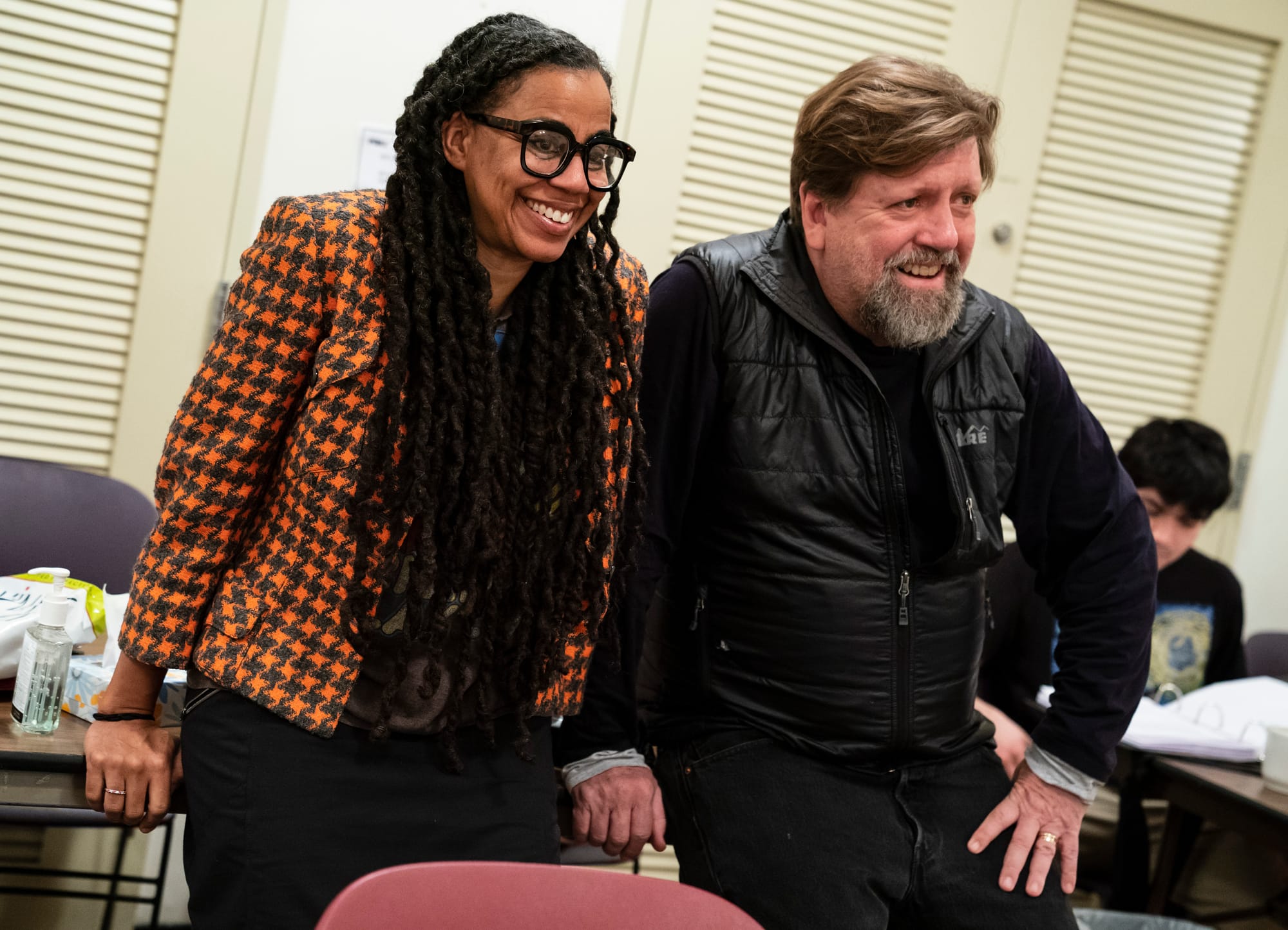
Prior to his career at the Public, Eustis, in his late teens, co-founded Redwing Theatre Company. He served as its artistic director from 1976 to 1980, overlapping his tenure as artistic director of Das Labor, a theater company in Zurich, from 1978 to 1980. In 1981, Eustis began as resident director and dramaturg for the Eureka Theatre Company in San Francisco, where he would later become artistic director. There, he and Tony Taccone co-commissioned what would become Kushner’s generation-defining play “Angels in America.” Eustis left the Eureka artistic directorship to become associate artistic director of the Mark Taper Forum in Los Angeles in 1989. He departed the L.A. theater in 1994 and, in 1995, took up the role of artistic director for Trinity Repertory Company in Providence, Rhode Island, where Eustis remained until the position at the Public opened up.
Today, in addition to his duties at the Public, Eustis is a professor of dramatic writing as well as art and public policy at New York University. He is an Andrew D. White Professor-at-Large for Cornell University. Eustis previously held professorships at Brown University, Middlebury College and the University of California Los Angeles.
While Eustis still has two more years with the Public, he already has plans for when he officially vacates his position. In addition to spending more time with his family, Eustis intends to continue teaching and serving arts organizations he has become involved in. “I chair the board of New York Focus, a brilliant investigative news organization devoted to revealing how power works in Albany; Richard Nelson has pulled me deep into relationship with Kyiv’s Theater on Podil, and I suspect that relationship will only deepen as well,” Eustis said. “I am newly devoted to Almasi Collaborative Arts, a theater in Zimbabwe founded by Danai Gurira; my participation with the Professional Non-Profit Theater Coalition, a country-wide advocacy group that I founded in 2020 with Nataki Garrett and Maria Goyanes, has brought me great satisfaction; and I am also co-chairing a long-term study on the role of cultural spaces in communities for the American Academy of Arts and Sciences.”
“Mostly,” Eustis continued, “I plan to cheer on my successor at the Public and support my beloved theater any way I can — including by staying out of the way.”
Board chair Miranda and co-chair Fili-Krushel noted that a search committee will begin looking for a replacement this fall with a goal of announcing Eustis’ successor in 2027.