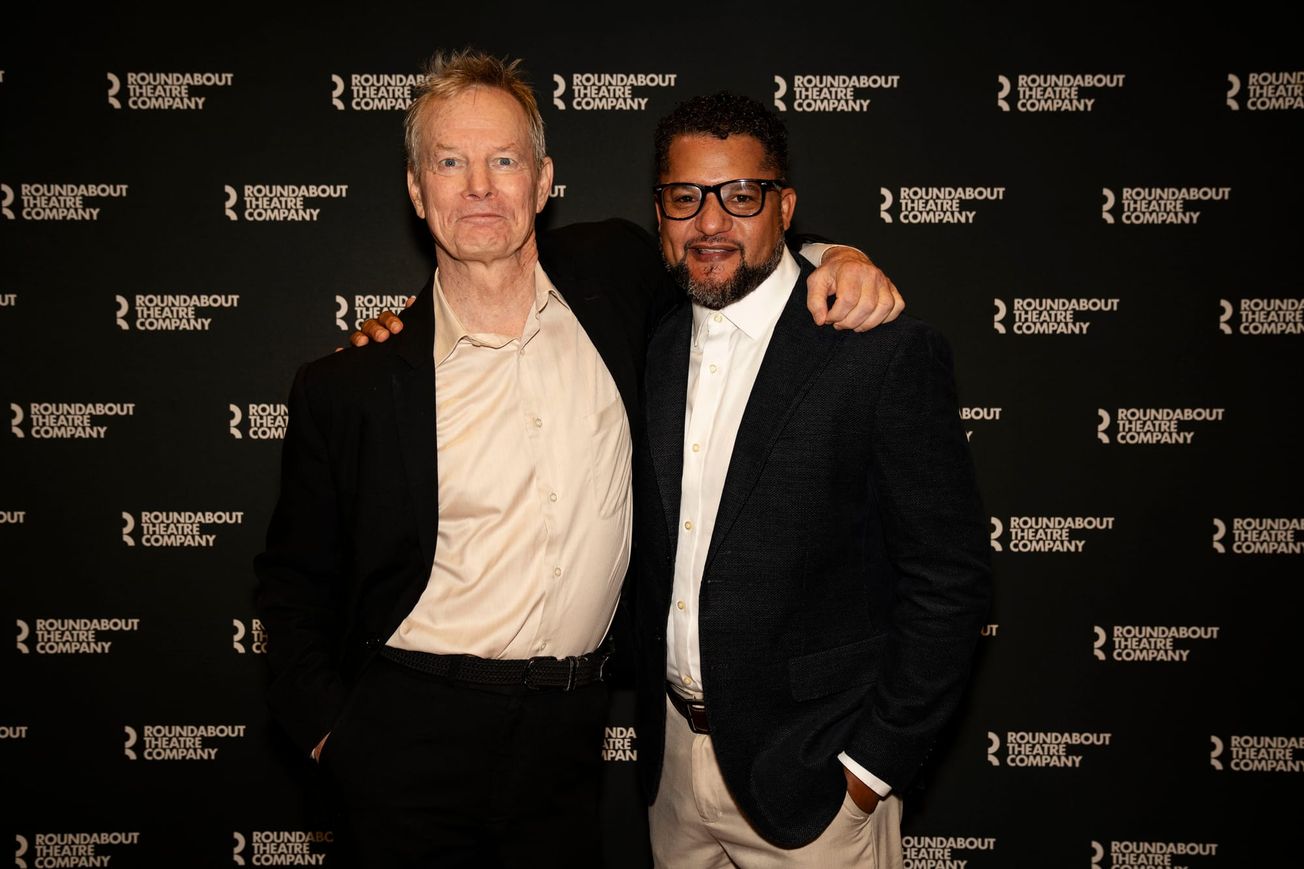














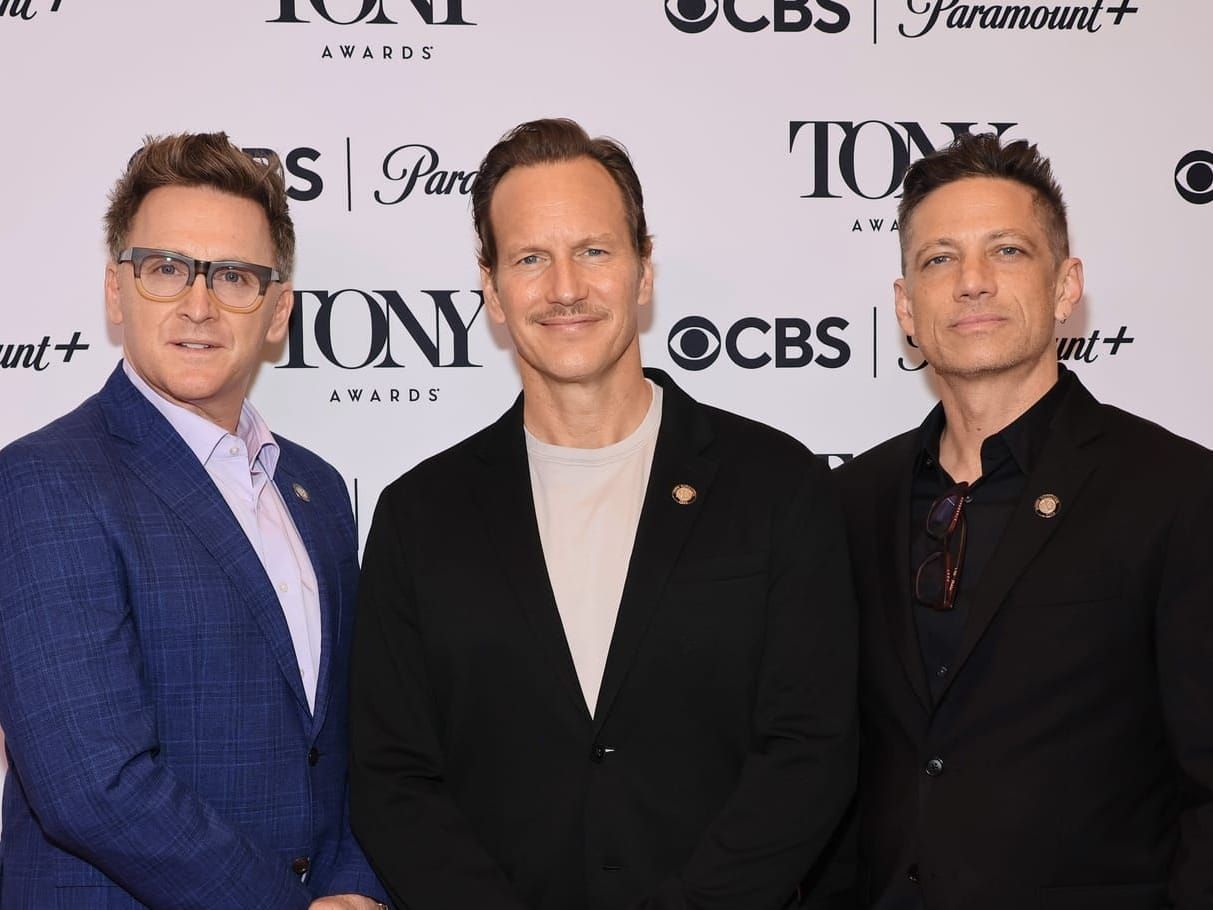
Producers James Carpinello, Marcus Chait and Patrick Wilson all have similar tastes when it comes to the stage. “We like to see a visceral, athletic, rock kind of base[line],” Chait told Broadway News. “I mean, we love, obviously,’Oklahoma!’ He was in it, right?’” Chait said, referring to Wilson, who starred in the 2002 revival as Curly and is best known as a Tony Award-nominated actor. “But we were all very interested in, ‘Where’s theater going?’” Chait noted, “Not just where it’s been.”
It makes sense that the three would share a sensibility, seeing as they spent their formative years together — in undergrad at Carnegie Mellon University — and arrived in New York City, as actors, at the same time. “We came to New York when ‘Rent’ happened — when these shifting tides of music breathed fresh life into the scene,” Wilson explained. “And that’s not dismissive to the beautiful stalwarts of Broadway; Rodgers and Hammerstein were that when they came in. So it’s not a question of anything against musical theater. It’s moving it forward.”
The trio’s affinity for intense and rebellious stories led them to “The Lost Boys,” the 1987 vampire film directed by Joel Schumacher. The movie blended horror and comedy, imagining vampires as leather-clad California teens — and Chait, in particular, thought “The Lost Boys” would adapt well into a musical. “Marcus tried to get the rights to this, originally, 25 years ago,” Carpinello revealed. “But we also share an immense love for the film.”
When the team finally acquired the rights in 2021 from Warner Brothers, their pursuit of innovation led them to director Michael Arden. Arden had already helmed the 2015 revival of “Spring Awakening” and the 2017 revival of “Once on This Island,” both of which broke new ground, but this was before his increased visibility and Tony wins for directing “Parade” and “Maybe Happy Ending.” At the time, Carpinello said, “We watched the one-man ‘Christmas Carol’ he did with Jefferson Mays, and that sealed the deal for us.”
“We knew we needed like-minded people,” Wilson added. “Every person that we brought on board, we wanted to make sure they understood: These are the things that we loved about the film. These are the things we could improve on the film. This is the sound we want. This is the feeling we want. This is the tone we want.”