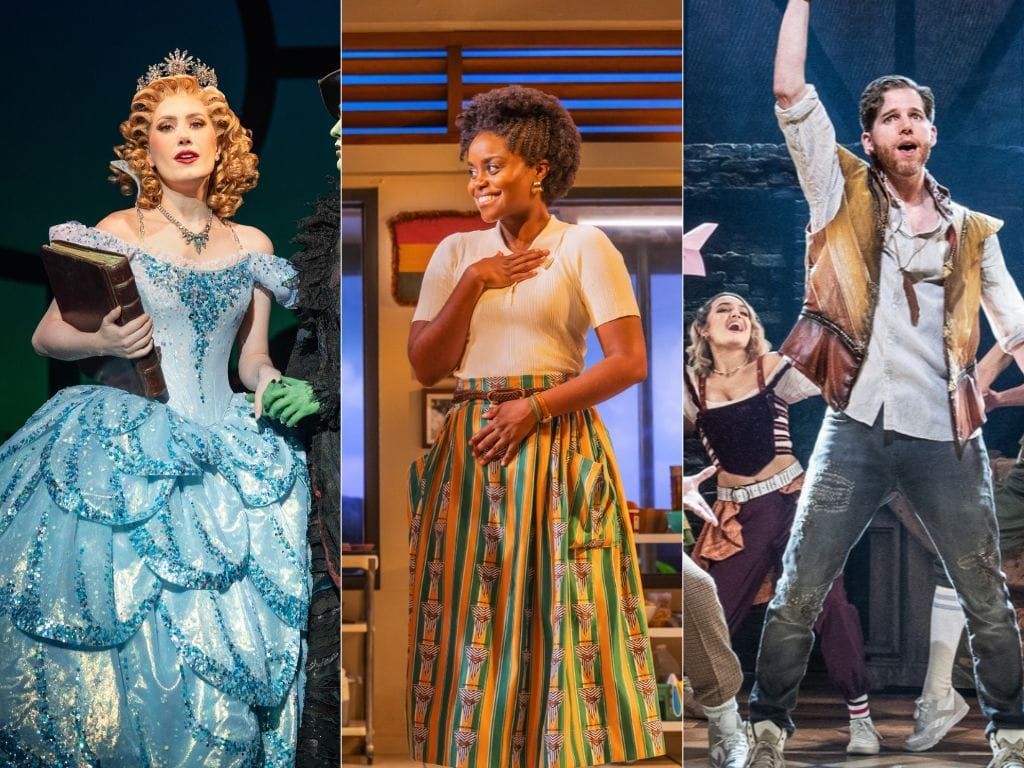





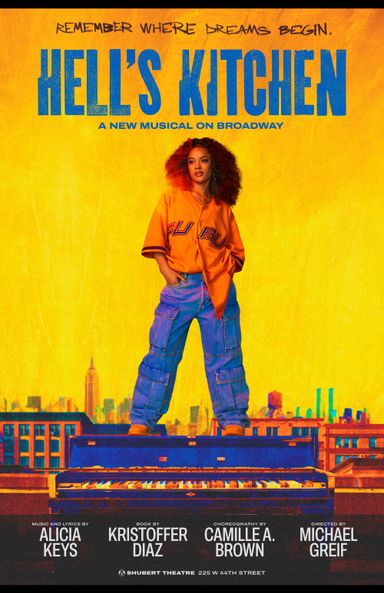





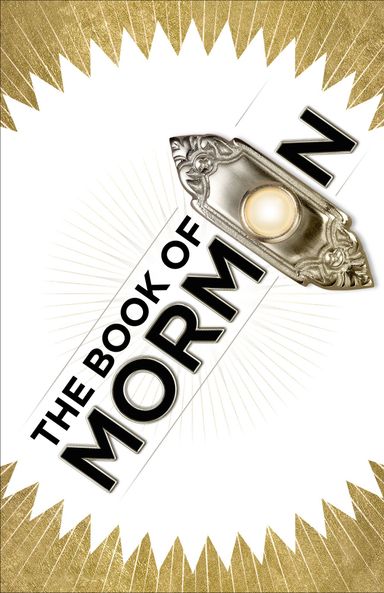

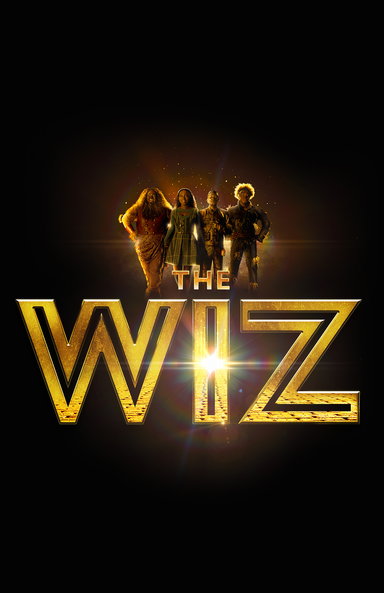
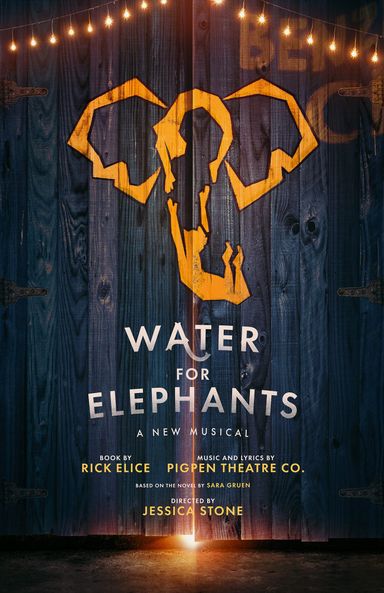


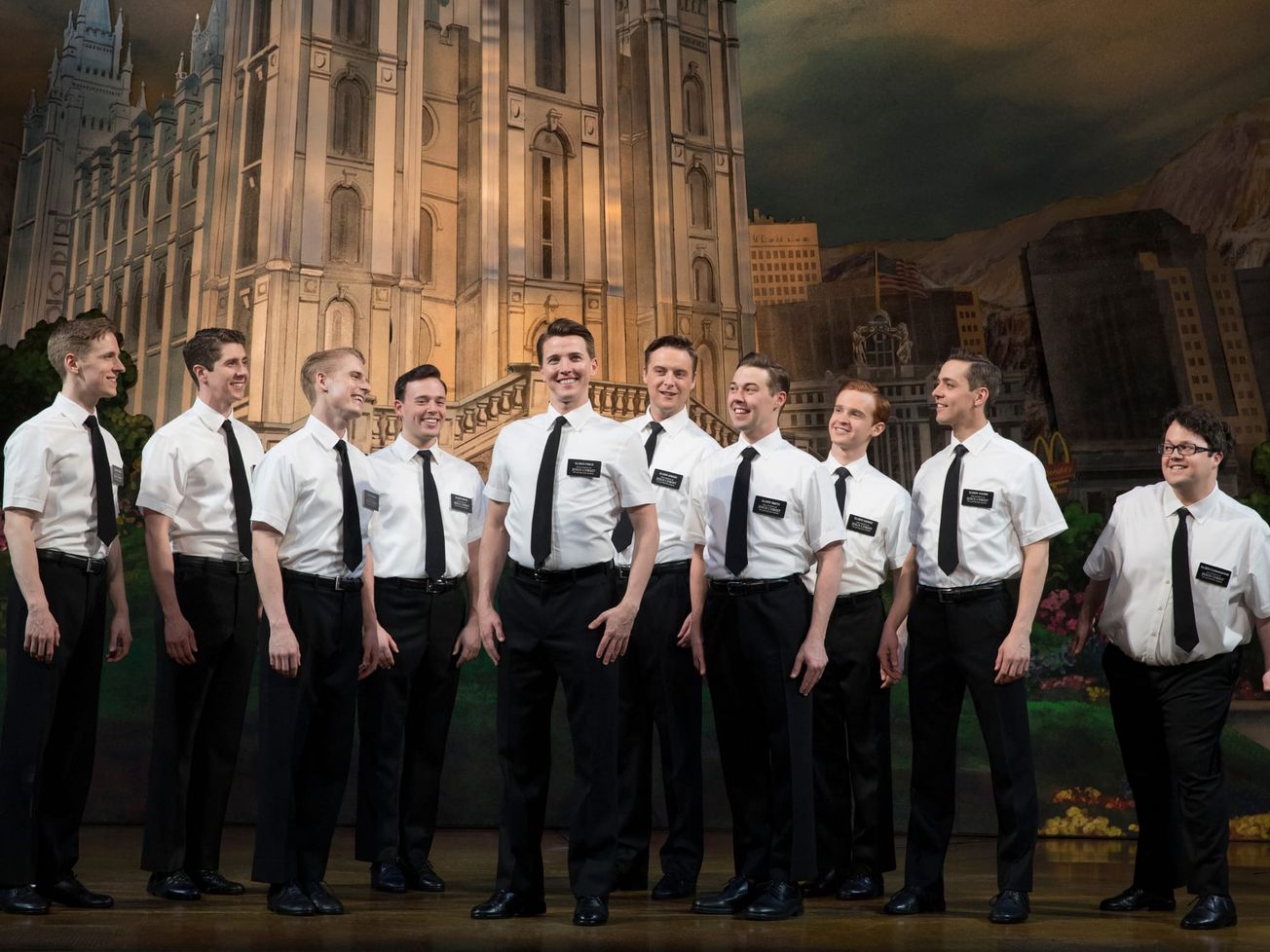
TDF has announced the final lineup for its Autism-Friendly Performance (AFP) season, with four more productions set to participate in the coming months. Joining TDF’s 15th season of AFPs are “The Book of Mormon,” “Wanted,” “Hamilton” and “Wicked.” AFPs are designed to be accessible to audience members with autism, sensory disorders, communication disorders and learning disabilities.
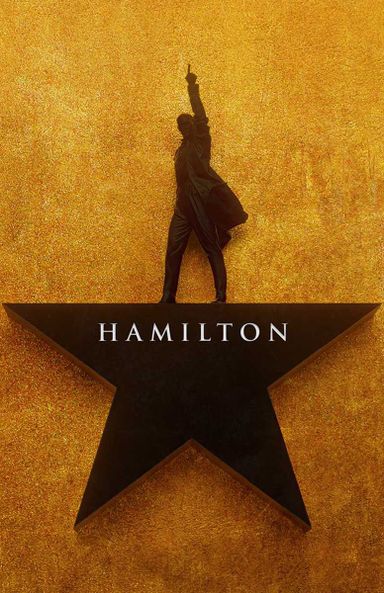
The first-ever AFP of “The Book of Mormon” in its 15-year run will take place at 1 p.m. on Feb. 28, 2027. An AFP of the new musical “Wanted” will follow at 1 p.m. on March 14. “Hamilton” and “Wicked” are returning to the program with AFPs scheduled for 1 p.m. on May 16 and June 13, respectively.
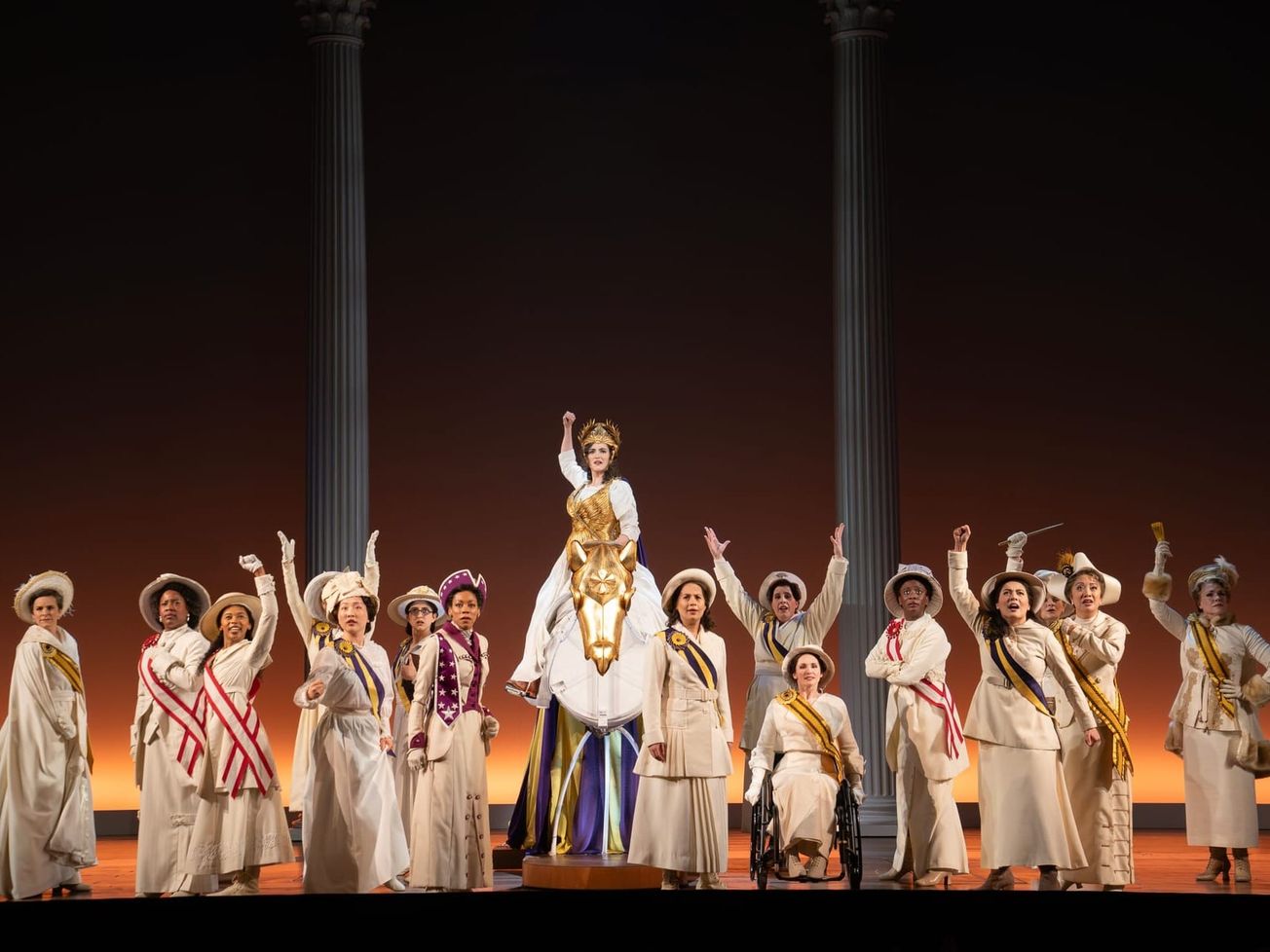
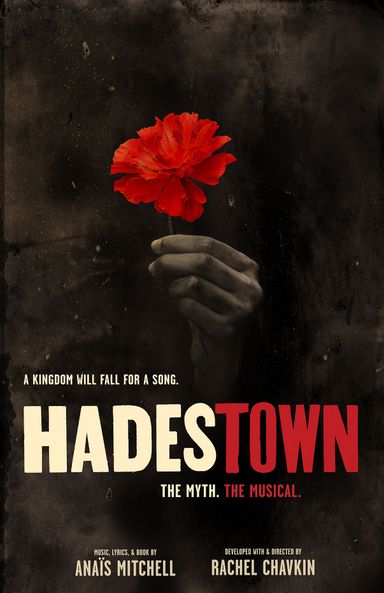
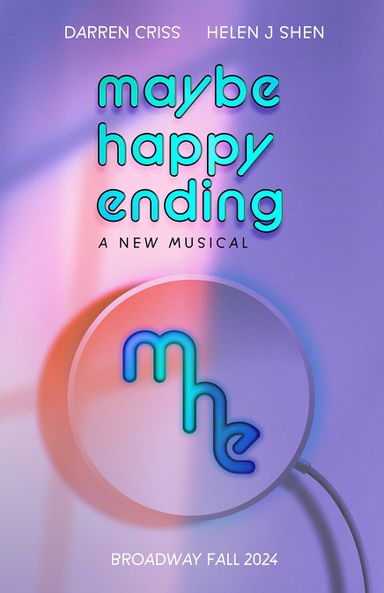
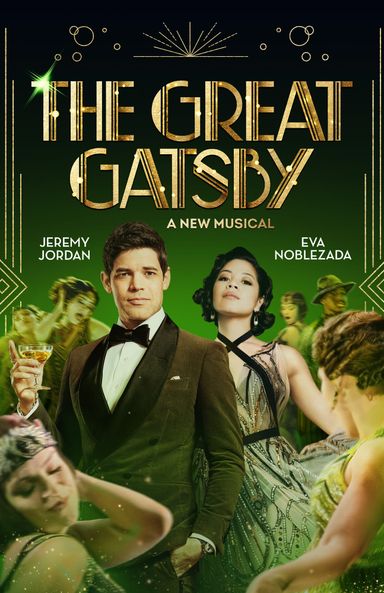
These newly revealed AFPs join previously presented performances of “Ragtime,” “Hadestown,” “The Great Gatsby,” “Maybe Happy Ending.” Previously announced upcoming performances of Radio City Music Hall’s “Christmas Spectacular” on Nov. 8 and “The Lion King” on Jan. 31, 2027, complete the season.
Broadway News Pro delivers news, analysis, and guest essays from industry leaders to facilitate meaningful and creative conversations on Broadway. From breaking news to deeply-reported long reads and exclusive interviews, subscribers can rely on Broadway News for stories that matter. Start your subscription for $1/month.
AFPs adjust each production slightly, including the reduction of jarring sounds and strobe lights. Staffed break areas are available in theater lobbies throughout the performance. Downloadable resources, including visual narratives with pictures of each theater and the production, are available prior to performances on the TDF website. TDF purchases every seat in the theater for AFPs and makes tickets available at discounted rates for families, schools and groups whose members include people with autism.
Founded in 1968 as the Theatre Development Fund, TDF is a nonprofit organization dedicated to removing financial, physical and invisible barriers to participation in the performing arts. In addition to AFPs, its accessibility offerings include open-captioned and American Sign Language-interpreted performances.