

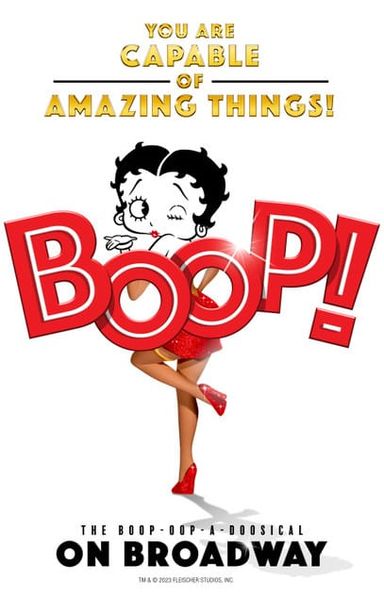







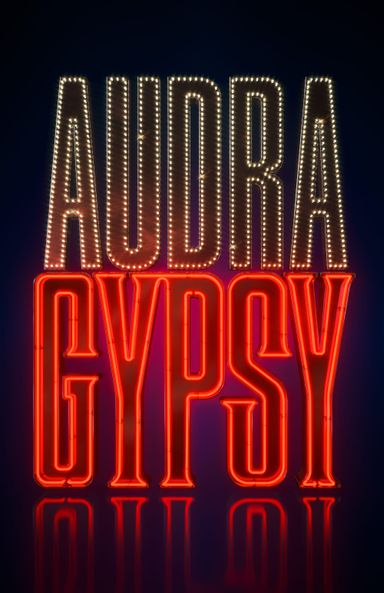




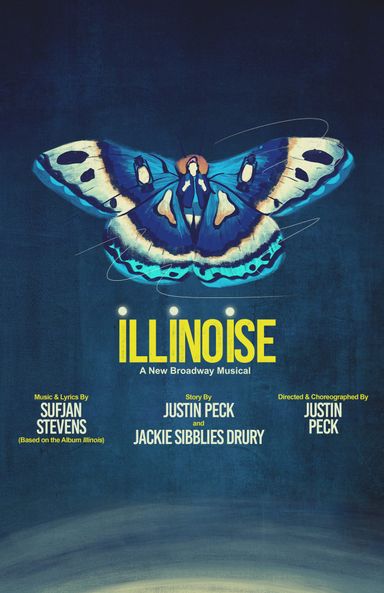
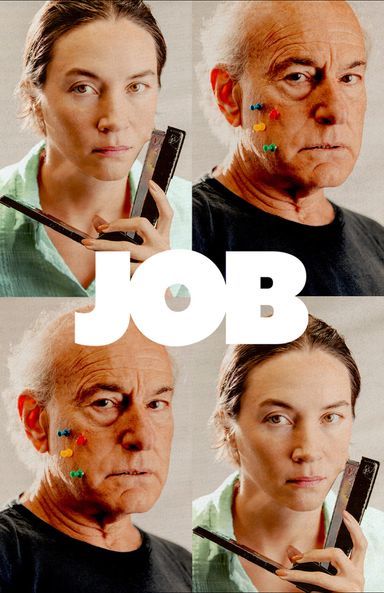


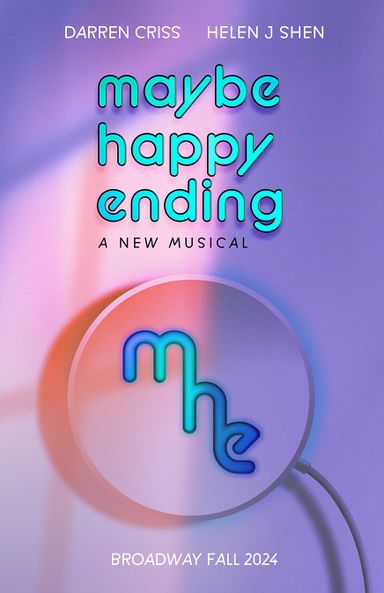



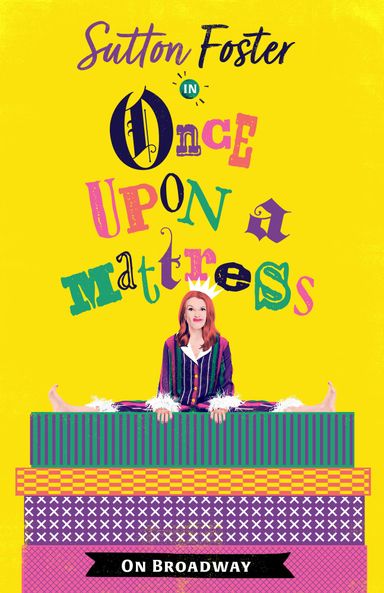

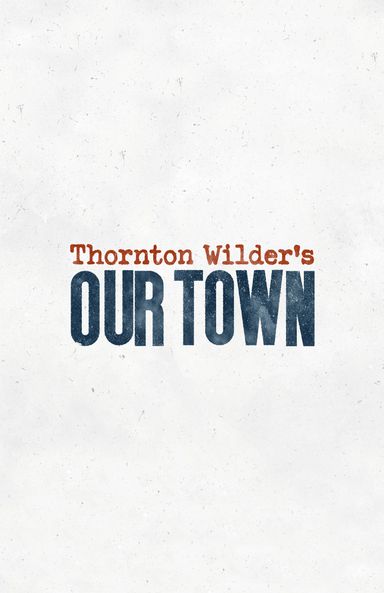


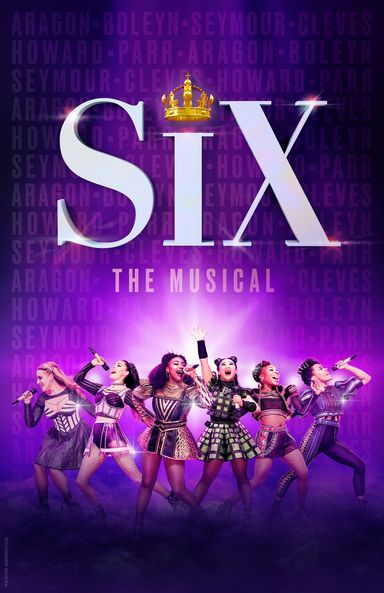

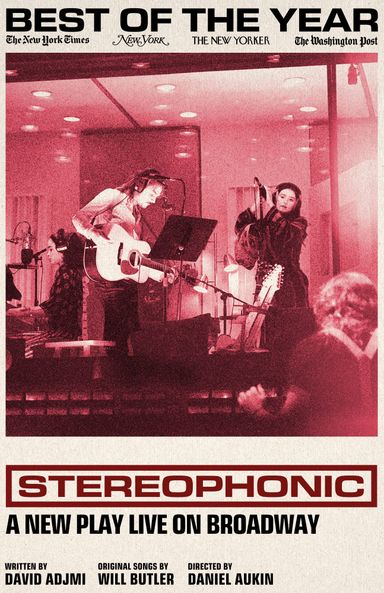



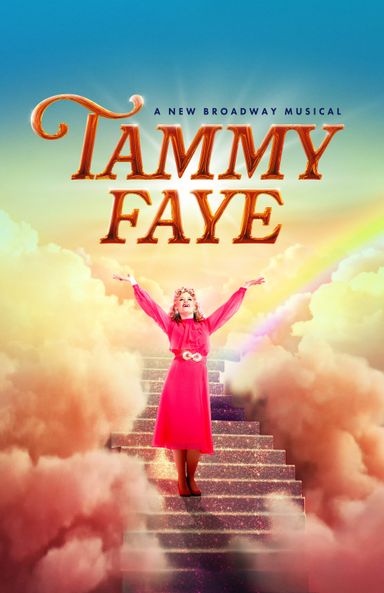
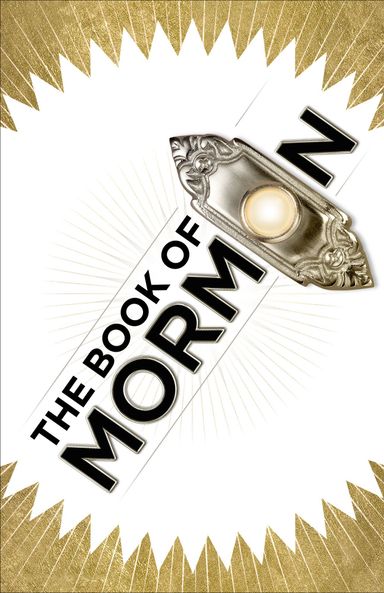

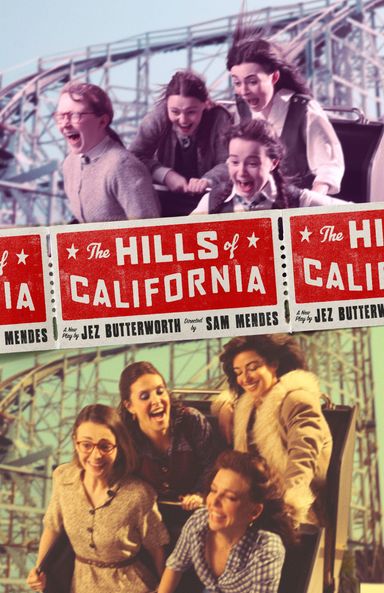


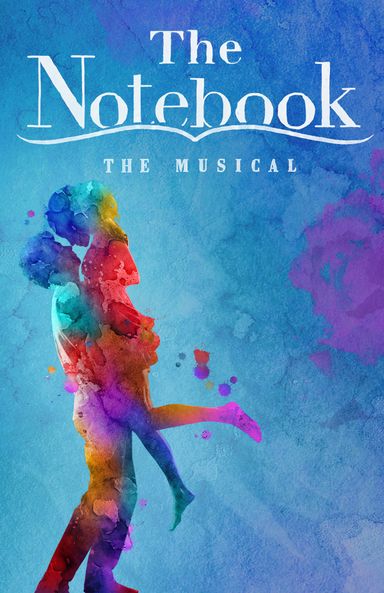
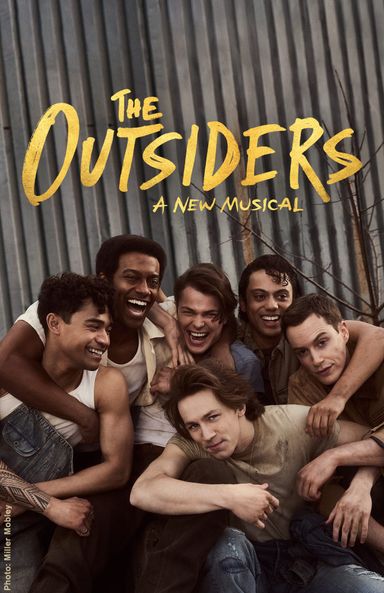

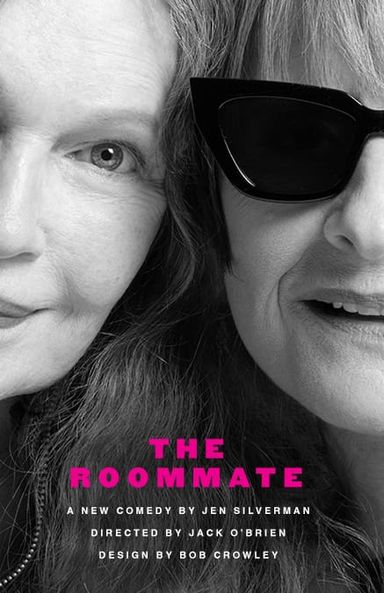
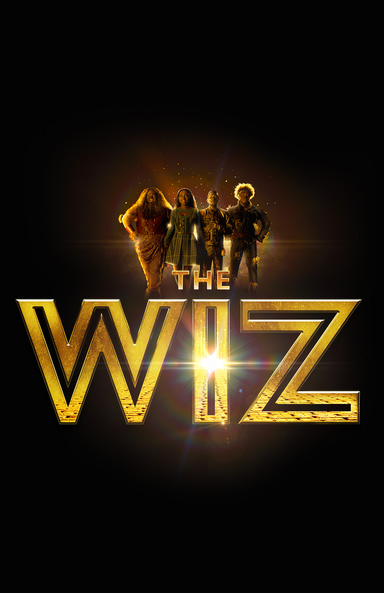




When designing print and digital ads, web pages and email blasts for your show, designers have to consider whether it is accessible to those of a range of abilities.
Accessibility refers to the intentional design of products and environments to ensure all people can access the product or environment, regardless of ability. When designing, we consider people with all disabilities, including visual, auditory, cognitive and physical. This means colors, typeface and design flow are top of mind.
Accessible design also benefits people without disabilities. For instance, with bright sunlight, smaller screens or slow internet, an accessible web page can assist any audience member in purchasing tickets and forming a deeper connection with a show.
Here are three measures our team considers to improve accessibility in our designs: