












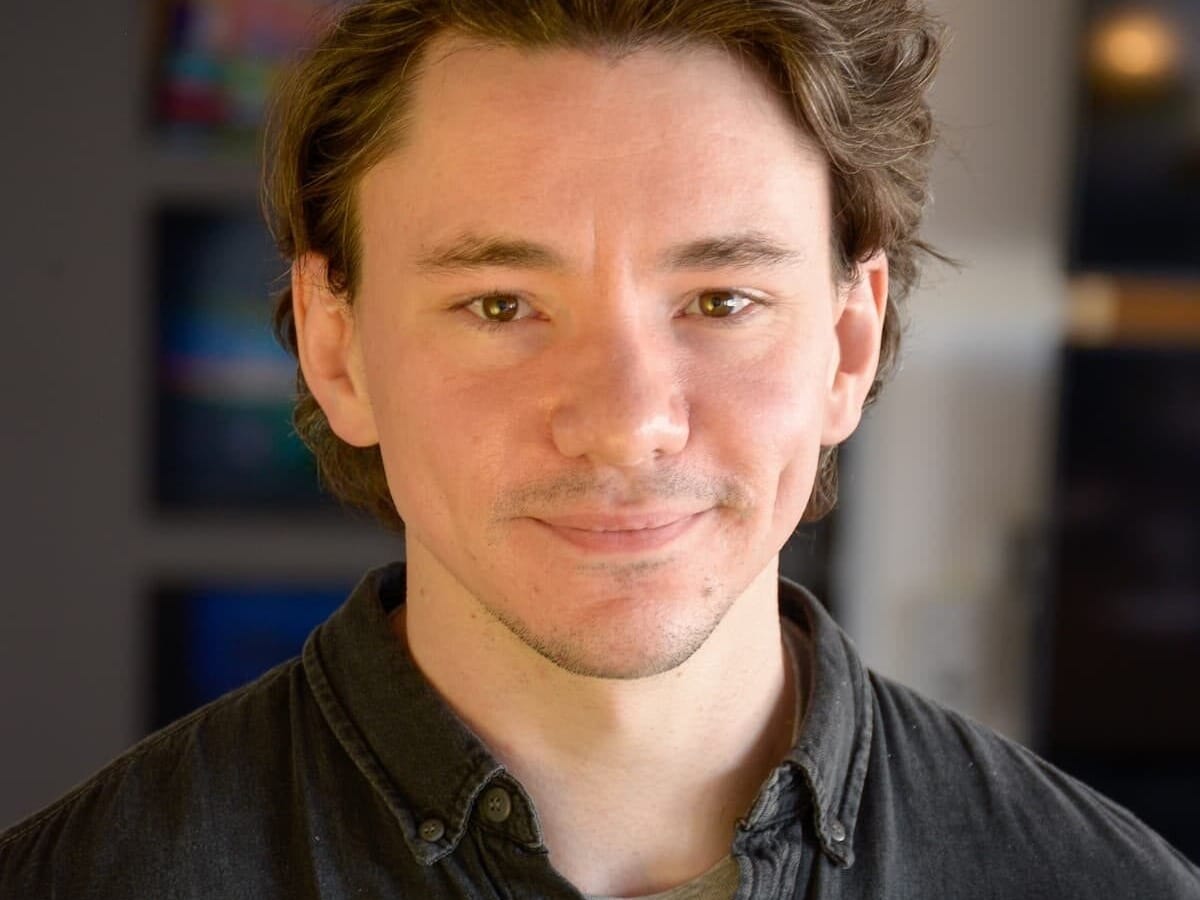
Matt Taylor studied graphic design and 3D animation, thinking that he would forge a career in concept art or video effects for the film or gaming industry. But life put Taylor on a theatrical path. “My first exposure to the technical side of theater and video design was the opera ‘Morgen und Abend’ at the Royal Opera House in London, and the first musical I worked on shortly after was ‘Wonder.land’at the National Theatre in 2015,” Taylor told Broadway News. “I was very much an intern/assistant for those shows, where I helped with file management and small animation tasks while I learned the ropes of theater.”
Soon, Taylor joined the video content team at 59 Studio (previously 59 Productions), a company that specializes in creative direction and design, including technical design as well as video design and animation. And 59 Studio is a part of the Tony Award-winning scenic design team of “Stranger Things: The First Shadow,” the stage prequel to the hit Netflix series. Taylor began storyboarding images of “The First Shadow” back when he was a 59 Studio designer in 2020. After the project went on hiatus, Taylor rejoined the “First Shadow” team in 2023 to open the play’s London mounting and continued through to the Broadway opening.
“Even though we had made the show already in London, it was a huge amount of work to remap all the projection-mapped elements for another theater on Broadway, as well as making many changes for this newer version of the show,” Taylor said. The video and projection of “The First Shadow” must match up to the dimension of the physical set, designed by Miriam Buether. The play’s set for Broadway has different measurements than London, because of the size of the theater — plus there were other creative iterations during the process. So video work for Broadway was like a whole new show.
But Taylor relishes the work. Having contributed to projects across disciplines — from theater to exhibitions to live events — Taylor said it was his experience inside a theater that first inspired him to seek out video design and animation. “My initial introduction to theater as an audience member was ‘Starlight Express’ in London, when I was a young child. I loved the smoky atmosphere, lighting and energy, which I think really inspired me to want to create cinematic and striking visuals,” Taylor said. “I was always drawn to the mystery and excitement of not knowing what to expect with live performances, and I wanted to create those moments visually.”
Here, Taylor offers the details behind his job and the clues to help notice his creations within “The First Shadow.”
Broadway News: What does a video content associate do?
Matt Taylor: I worked on “The First Shadow” from concept through to delivery, so I had a wide range of creative responsibilities. In the early concept phase I was doing a lot of reference gathering of images to help to create ideas and moods for the scenes as well as creating visualizations in Photoshop of how the scenes might look. Within the 59 team, I worked closely with project director Leo Warner and lead video designer Tom Wexler to define the kind of visual language, illusions and storytelling that we wanted to convey through our video design. I created various animation tests and animatics to mock up how the scenes could work combining video with stage action. These were then used to discuss staging and hash out the scenes with the wider creative team.
Nearly everything on this show [for projections and video] was done using computer programs including using 3D software, like cinema4D, and 2D software, like After Effects. Sometimes we start with a primitive blocking-out, such as literally using a rectangle to represent a character. I then move it around to work out timings and agree on what should happen in a sequence. This is what I mean by animation test — so I would show what’s happening on stage with primitive blocks while including what we might want to show on our video screens at certain times.
Using the script, we began to create a storyboard of how scenes could look from a video perspective before I started exploring further animation tests and visuals ideas to share.
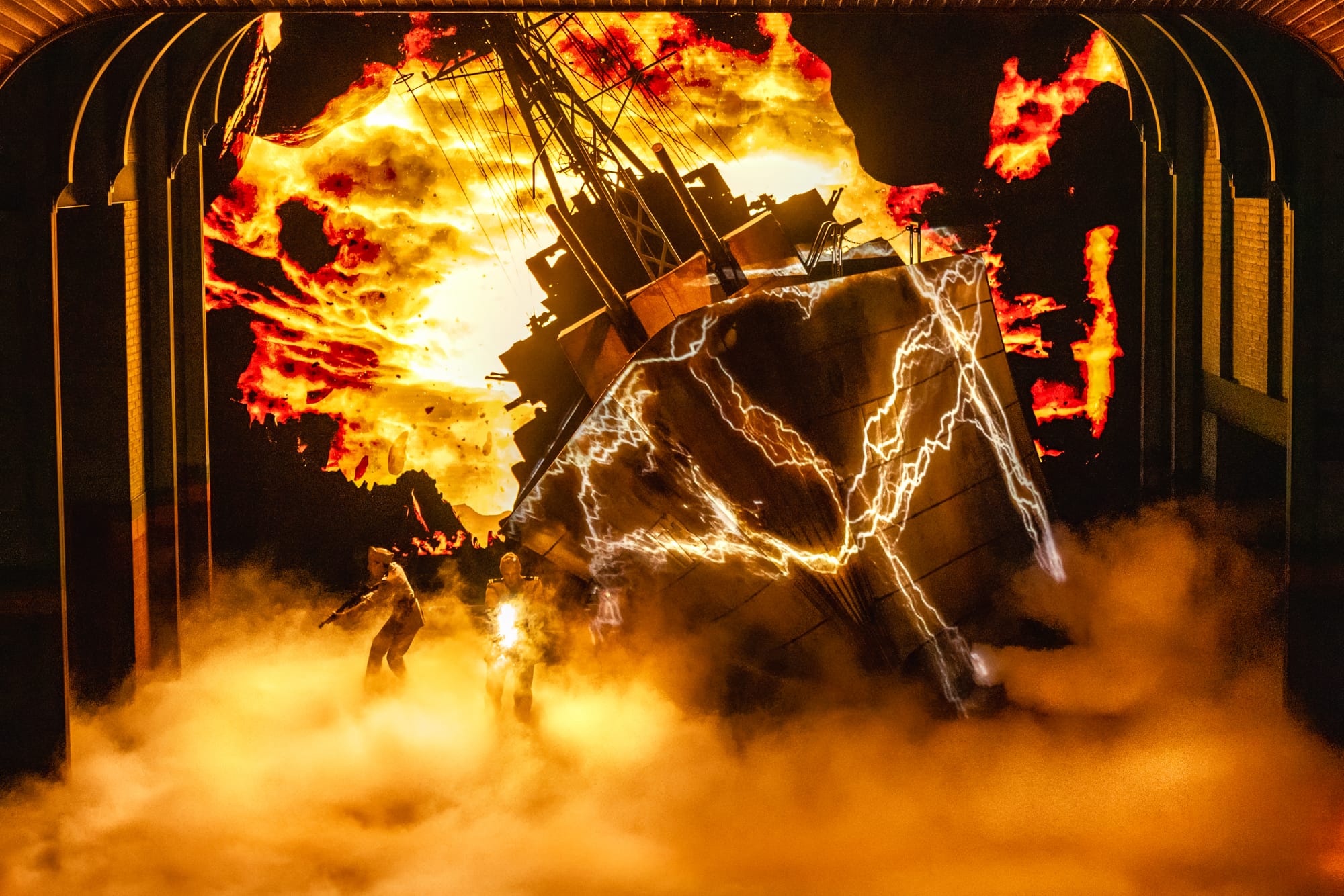
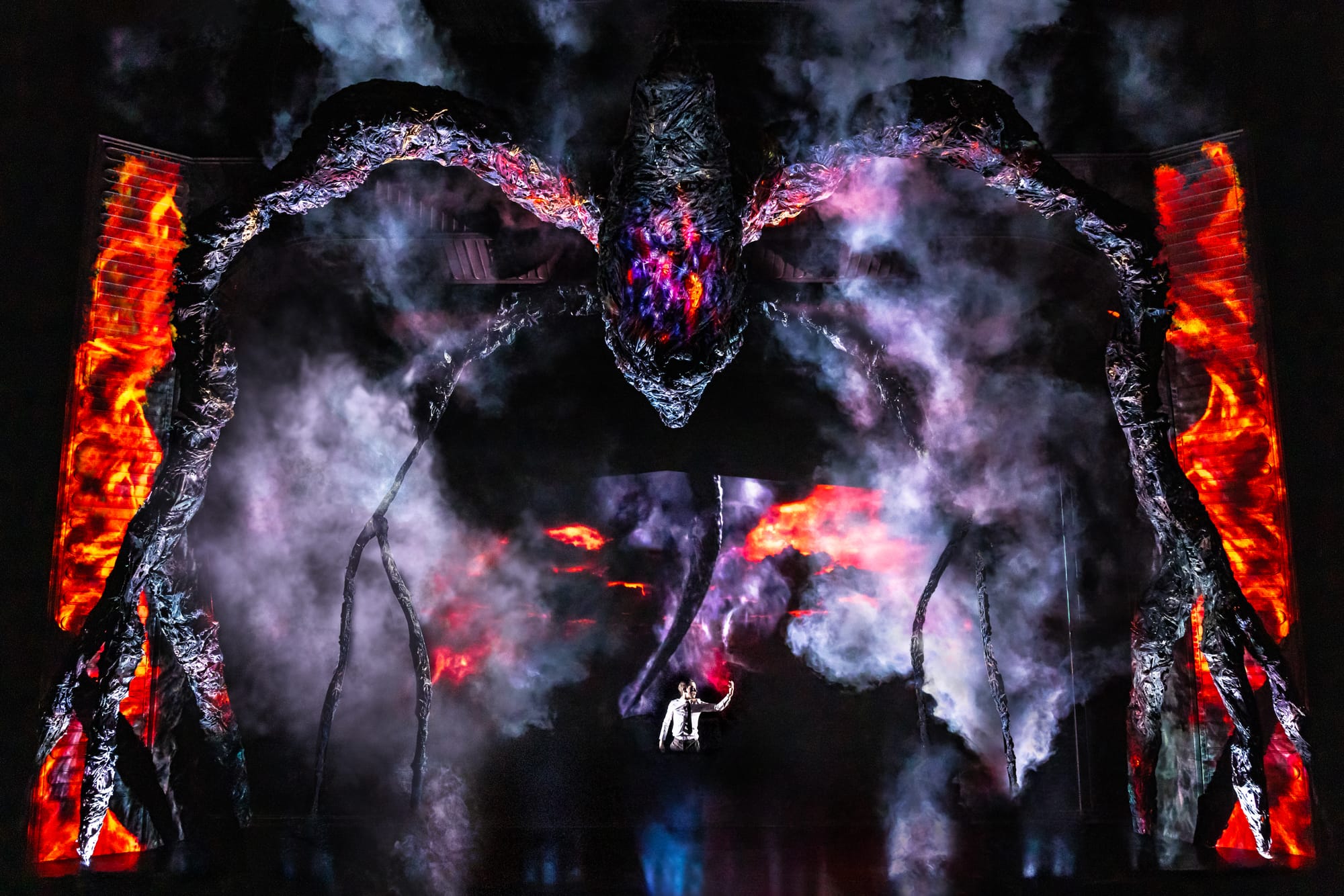
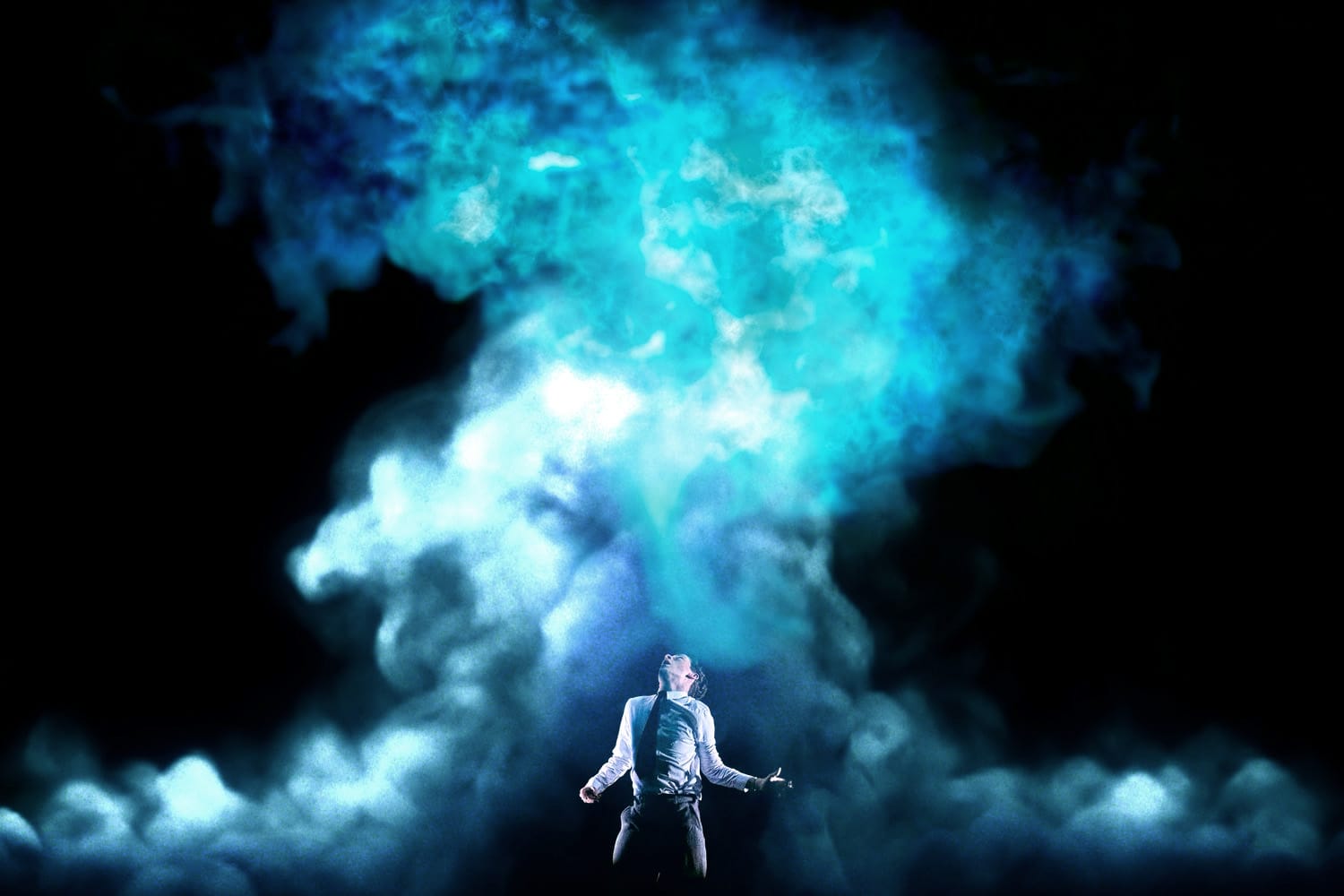
Moving into the content production phase, I took the 3D models of the set and began to UV unwrap the models. “UV unwrap” refers to the process in 3D modeling where you create a net of an object (like wrapping paper), so that you can map where textures/images will be applied on the object. This is how we do 'projection mapping' techniques to give the illusion that video projections are 3D on the set. This allowed us to projection map the set elements by creating templates that we could animate onto which wrapped around the surfaces onstage. I worked on various scenes creating animated effects and environments. This included character animation, such as the Mind Flayer and Demogorgons, as well as creating animated environments like Dimension X. In addition to this, I also create (digitally and by hand) lots of visual effects such as smoke, atmosphere, lighting and weather effects that we could cue to the action. I generated some 3D simulations of smoke and clouds digitally as well as mixing in some video footage of real weather/storms. I also hand animated (drew) some specific lightning strikes to get exactly what I wanted in the correct position. The major surface that we were working with was the large LED screen at the back of the stage; however, there was also a lot of projection across the whole set including various gauzes where we could play with layering video and transparency to heighten the illusions.
Before getting on site, we pre-programmed the show using the media server Disguise. During this phase, we blocked out cueing in the various video files that we were going to use in order to arrive prepared for tech. A scale model was made of the set, which we also projected onto in order to previs (pre-visualize) the show before arriving at the theater. (We 3D-printed a lot of the model box set to have accurate geometry to map to, which was helpful and fun!) During tech, I continued to create a lot of animation for the show, reacting in the theater to changes and new ideas that we came up with during the process. This show was always evolving and being revised right up until the opening night, so we had to be prepared to offer multiple options and turn around ideas fast. I also worked closely with freelance animators on our team to help support and brief them on animation that we needed as we were all working in the theater.
As we rehearsed and entered previews, we continued to tweak timings to our cues, adjust color gradings and refine the visuals all the way up to opening night.
With whom do you work on a daily basis?
Taylor: Depending on what stage I’m at on a show, I will be reporting to and working with different people. The main people I work with on a daily basis are the other designers at 59 Studio, especially those on the video team. I will also work closely with the architectural team when we collaborate on projects where we are doing both set design and video design. On a typical theater show I might be reporting to a design director while an assistant designer and two or three animators report to me.
Describe a typical day at work for you.
Taylor: Projects go through various phases, so there is no typical day. However, when working towards a theater show, I might be researching, analyzing scripts, storyboarding, creating animation, 3D modeling or briefing and collaborating with other designers and animators.
What is the piece of your job that you love, that you never tire of?
Taylor: I love to really immerse myself in the subject matter and the world that we’re creating for a show, and to get myself into a creative flow-state when designing visuals and animations. I am usually solely focused on video design, so I love it when the whole team finally gets into the theater and I get to experience the work of all the departments come together. It’s great when I am surprised to see some things for the first time for myself — like the development of beautiful choreography, costumes, sound design, etc.
What are some of the challenges of your job?
Taylor: A big challenge is being able to be flexible to changes in the room when on tech. Animation is a slow process, but theater is a very fast-paced environment, so it can be difficult to react quickly enough to large changes at late stages. Communicating visual ideas to the wider team can also be challenging, so getting good at storyboarding and visualizing stage compositions is a really important tool.
Tell me a story from a day on the job that you’ll never forget.
Taylor: I worked on the project “Apollo 50: Go for the Moon,” which was a celebration of the 50th anniversary of the moon landing. It was a projection-mapping show where we projected a 1:1 scale Saturn V rocket on the Washington Monument [in Washington, D.C.]. I animated the re-entry of the rocket into the earth’s atmosphere and the “splashdown” moment as the astronauts landed in the ocean for the finale. It was a very surreal moment to see that in person on such an iconic monument — and the audience atmosphere was electric. It was very tricky to get that shot right and a challenge to animate on such a thin building, so it was a great payoff to get it right in the end.
Describe a moment when you felt hugely proud to be doing what you do.
Taylor: The rush of an opening night is always a moment to feel proud, and seeing the excitement of the fans on the “First Shadow” opening night was an amazing moment for me. It’s great to feel the enthusiasm of an audience and see how much the show can mean to people when they are so invested in the world and stories that we’ve been building.
A lot of the time the illusion of what we try and achieve with video design in theater is like a magic trick. Part of the fun is for us to try and baffle and confuse the audience, and part of the fun for the audience is to try and figure out how we’ve done it. I’m most proud when an audience can’'t figure out how we’ve achieved something, and they can’t tell if it’s physical set, video, smoke or lighting that they’re looking at at any given time.
Recall a challenge at work and how you overcame it.
Taylor: A real challenge can just be knowing when to stop making changes. I’ve worked on shows where it is not uncommon to still be making changes moments before audiences arrive in previews — or even on opening night — which can be extremely stressful! Even making a small change late into the process can have unexpected knock-on effects as programming becomes more and more complex. For example, I have made the mistake of extending the length of a file and not appreciating that it needs to be reprogrammed to work properly, or changing the color of another file not appreciating that the same file was being used in multiple different ways across the whole show. This small change could result in completely unexpected looks in different scenes or completely break some other part of the show. This is something you never want to experience for the first time along with an audience! Now I’ve learnt to be much more strict to double-check everything and limit changes so close to the wire, even though it can be so tempting to do so.
If you could change one thing about your job or Broadway or theater, what would it be?
Taylor: Time in the theater is always something I’d love to change and have more of, as Broadway/tech schedules can be so tight. Early in my career, I always thought, “We’ll change that later when we come back around and see it again” only to never revisit that particular scene ever again! Sometimes you only have a single chance to see something properly or test an idea before making a decision. This is the stressful part of working in theater, but maybe it’s kind of what makes it brilliant as you just have to make bold decisions quickly and stick to them. It can feel so exposing to put up an image on a huge screen that everyone in the theater will be looking at, so I always dream of having time to myself alone just to experiment — but it’s almost impossible to ever find that time.
What’s one thing you wish audiences understood better about theater?
Taylor: Until I worked on a theater show, I didn’t truly appreciate how incredible the cast are to run the same show day in day out with the same energy and enthusiasm every time. I will spend two to three weeks watching the show every day through rehearsals and previews until opening night. After that, my job for the show is done, but the cast will continue to run it for months with incredible consistency, which I find really impressive. As an audience member, you understand this but it’s also easy to take for granted when you only see the performance once.
What’s one thing you wish other industry insiders understood better about your job or theater from your perspective?
Taylor: Video design is still one of the newer aspects of theater, compared to most of the other departments. The technology is changing every year and getting more and more complex, so it’s difficult for everyone to be on the same page about what is possible — even within the video team, let alone the whole creative team. Sometimes it can be challenging to convey and explain how certain illusions or technical ideas could work before actually doing them in the room. The materials used, lighting levels and haze in the room can all affect how the video surfaces will look, so it’s always a balancing act and a great team effort between departments to get it right.
Correction: A previous version of this article misstated Taylor’s position with 59 Studio in 2020. This has been corrected.