













In the great canon of horror movies, “Paranormal Activity” was never the most obvious choice for a stage adaptation. Beginning with the first film in 2007, the series has always been reliant on filmic techniques to create feelings of tension and fear. It’s always prided itself on the effectiveness of its scares, too — the series popularized the use of audience reactions in its trailers, including night vision camera footage of audiences shrieking or covering their eyes in cinemas.
Most of the “Paranormal Activity” films are rooted in the found-footage genre, playing on the relatively poor quality of consumer-grade camera equipment to effect uncertainty — even though the movies are fabricated and not found. Security camera-style graininess, inconsistent lighting and imperfect visibility suggest something lurking in the darkness that the viewer can’t see, leaving them unsettled and priming them to jump when it finally appears.
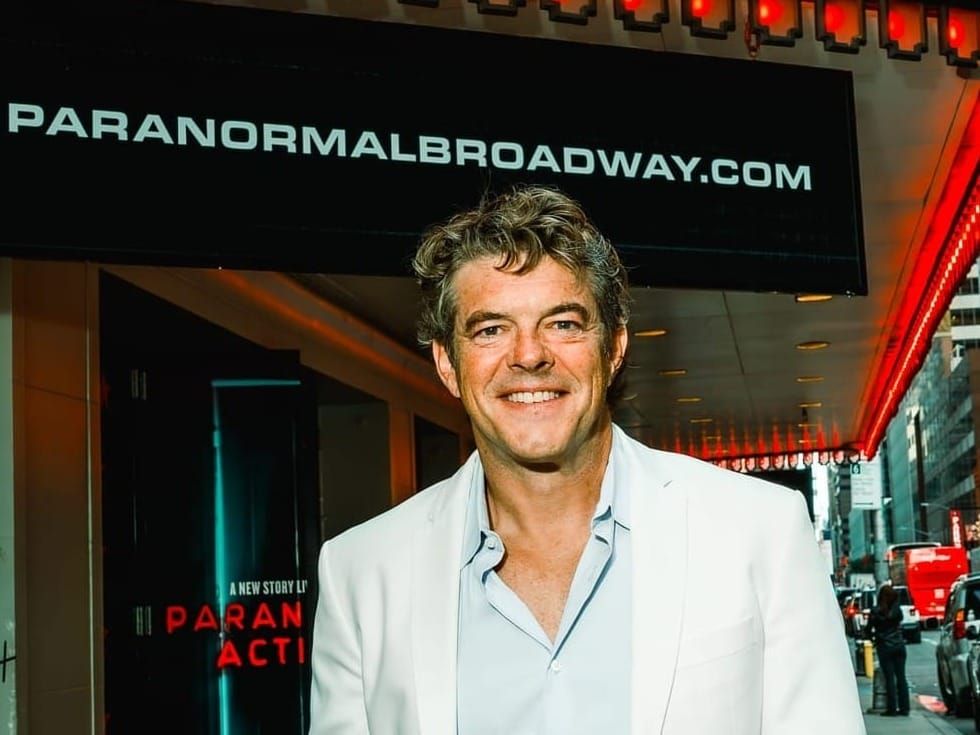
But in front of a live audience, without the veneer of camera framing and the benefit of post-production editing, a work of horror has to resort to different techniques to unnerve and frighten. That’s precisely what the design team of the stage adaptation of “Paranormal Activity” — now playing at the August Wilson Theatre through Jan. 3 — is doing, borrowing what they can from the film franchise while also employing theatrical techniques to elicit a similar audience response.
The process of creating effective scares for a live adaptation of “Paranormal Activity” began long before the show was ever staged. Multiple members of the design team noted that playwright Levi Holloway was open to changing the script throughout the early stages of development, altering elements of the plot to fit the team’s design capabilities and intended effects. Director Felix Barrett, too, was open to trying new ideas throughout the show’s development.
In those early days, prior to the play’s on-stage premiere at Leeds Playhouse in the U.K., the designers looked to the “Paranormal Activity” films for inspiration, particularly in terms of sound. “It’s very minimal in its approach,” said theatrical sound designer Gareth Fry of the movie’s sound. “It’s not really using music. It’s very naturalistic in a lot of places. It’s a very subtle thing throughout a lot of the film, and it’s only really towards the end that it starts stepping things up.”
To that end, Fry opted to limit non-diegetic music to scene transitions. Instead, he created a non-musical soundscape — relying more on creaking pipes and ambient house sounds — to play in-scene, hoping to create tension in a more organic way. “We've all heard the classic Hollywood swell of strings to bring tears to our eyes,” said Fry. “That’s perfectly valid in certain genres … but we wanted to use music — or soundscape — more subtly to avoid that.”