




























In the age of the internet, where information is constantly a tap away, the traditional marketing model is proving to be progressively less accurate. At the Pekoe Group, taking a cue from Google, we’re throwing out the traditional marketing funnel and replacing it with a new model: the messy middle.
Out with the old
If you’ve sat through any advertising meeting, chances are you’ve encountered the traditional marketing funnel. It looks like this:
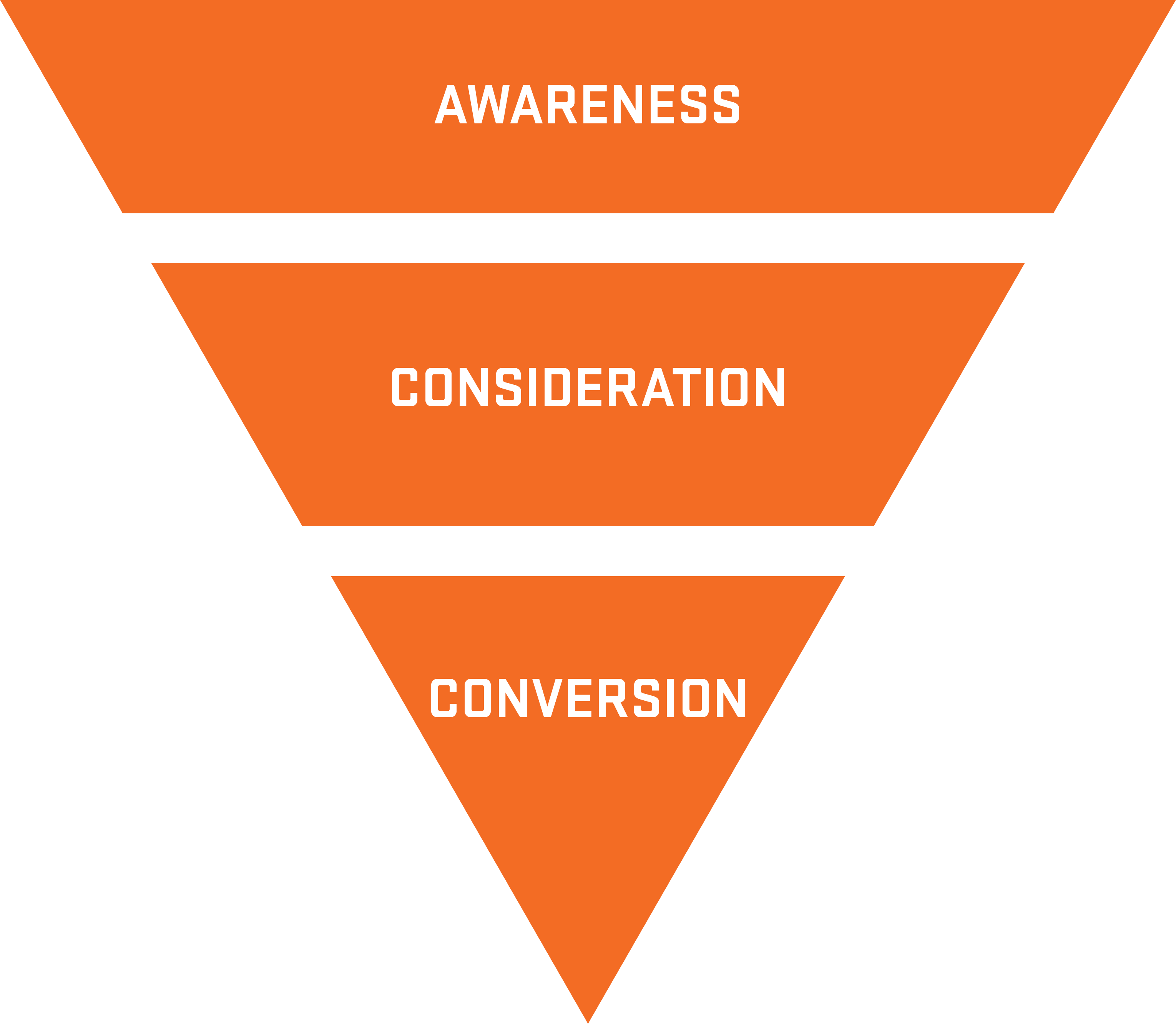
In this model, potential buyers move smoothly from awareness (knowing your show exists), through consideration (contemplating a purchase) to conversion (actually buying a ticket). Consumers shuffle along in neat little lines from one step to the next on a one-way path where backtracking doesn’t exist, and the decision to purchase is an inevitable outcome.
If you think about the last time you bought a ticket to a show, you’ll quickly realize that this model simply doesn’t portray how things really work. When was the last time you saw an ad for a show, breezed through to its website and bought a ticket?
The reality is a lot, well, messier.
The messy middle
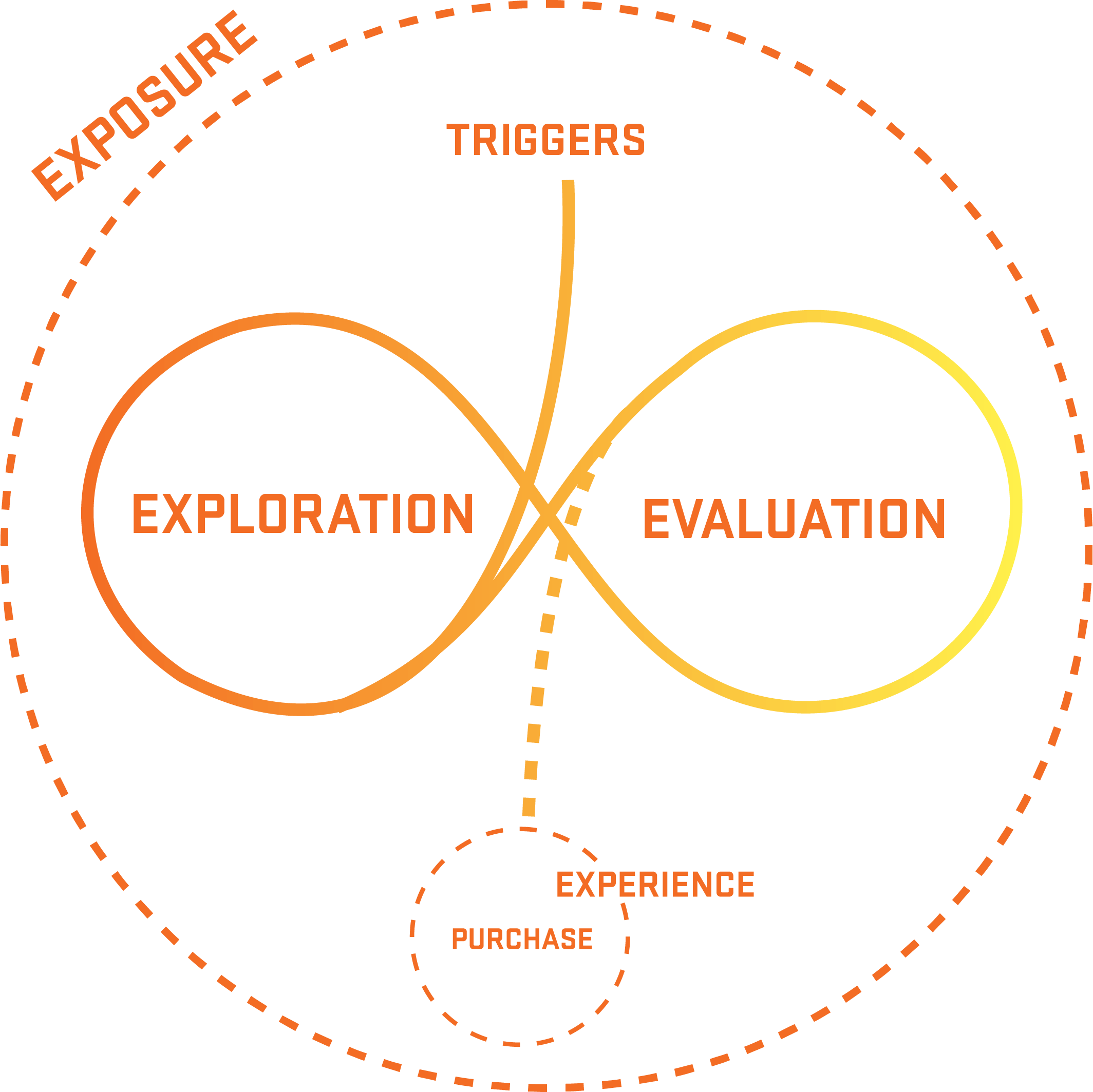
Researchers at Google, who study consumer behavior, created a new advertising model with the aim of more accurately representing the path a consumer takes when choosing to buy a product (or, in our case, a ticket to a show). To make this easily digestible, we’ll build the model together, piece by piece.
Exposure
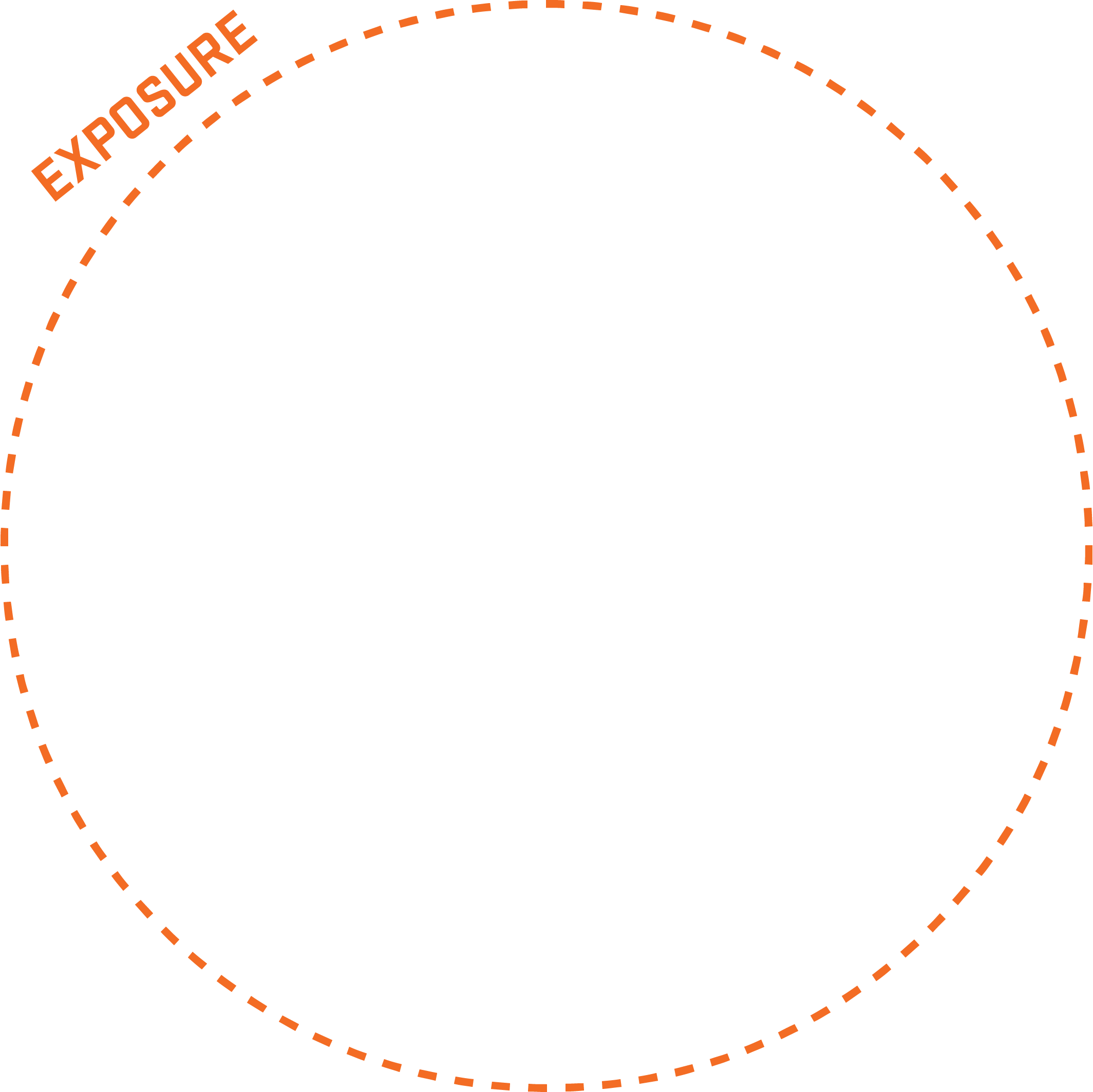
Long before a consumer decides to buy a ticket for your show, they first have to be exposed to your show. Simply put: If your consumer doesn’t know your show exists, they aren’t going to buy a ticket. The exposure phase lays the groundwork, priming potential audience members, so when they are finally ready to begin considering what show to see your show will come to mind.
Triggers
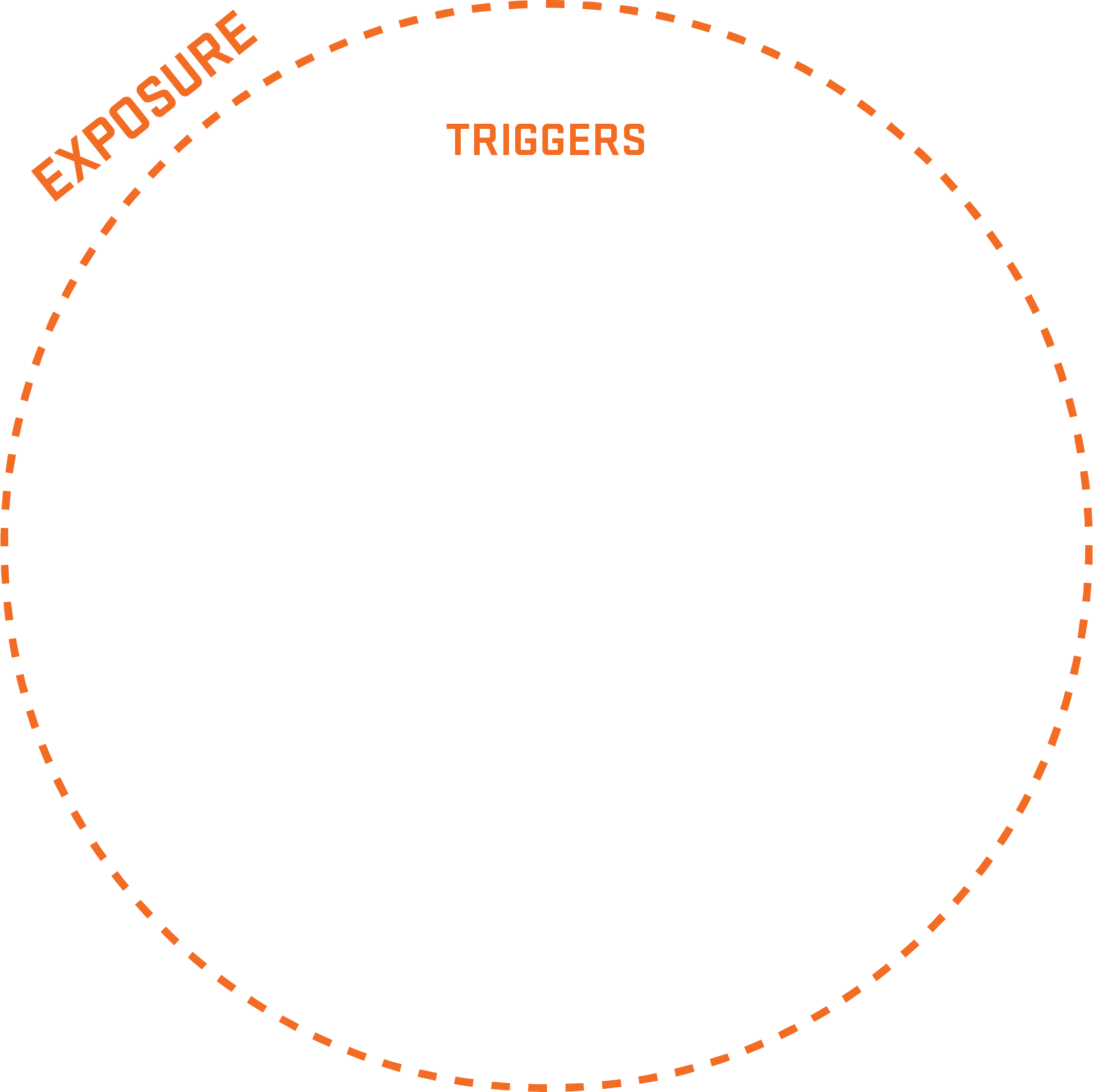
Much to the chagrin of advertisers everywhere, potential audiences aren’t constantly looking to spend their money. Instead, the impetus to make a purchase comes from a trigger, a moment when the consumer shifts from a passive state (casually researching shows) to an active one (earnestly looking to buy). In the world of theater, a trigger can take many forms: Aunt Matilda is visiting from Minnesota and wants to see a Broadway show; the Tonys are approaching and you want to ace your Awards bracket; you scored a tax refund and are ready to splurge. The trigger indicates that it’s time to make a purchase.
Exploration and evaluation
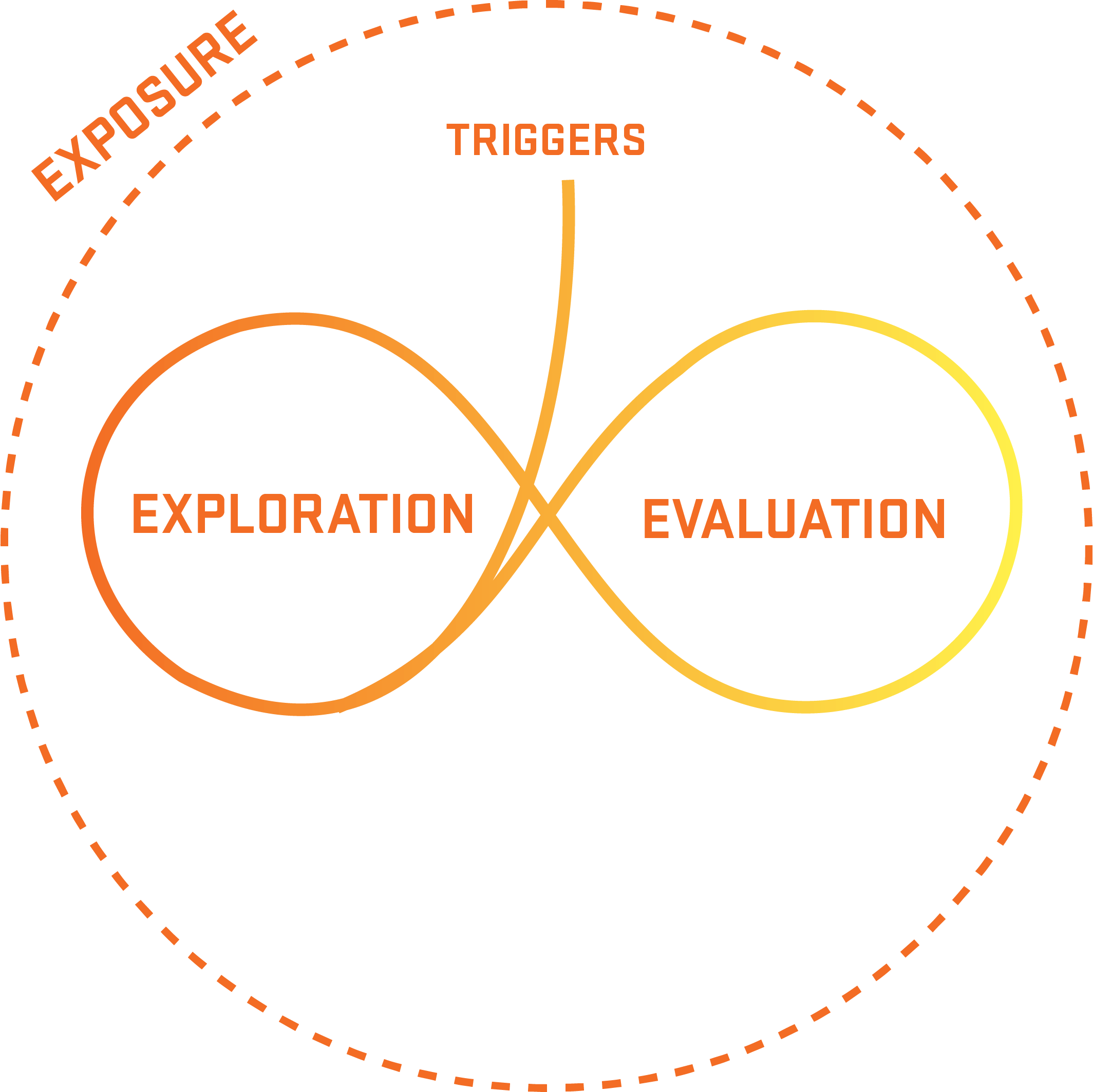
Your consumer finally has a reason to buy a ticket to a show, but they still need to decide what show to see. In the messy middle model, consumers answer that question by vacillating between two states: exploration and evaluation.
They begin by cursorily exploring their options. Do they want to see a rom-com? A historical comedy? A histo-remix? Are they looking for a serious show? Or, perhaps lighter fare?
Eventually, consumers shift from exploration to actively evaluating their options, both across shows (Which show has better tickets at a lower price?) and within one show (Is the date they wanted sold out? Is their favorite cast member only in the show for another week?).
Unlike the traditional marketing funnel, the newer model acknowledges the circuitous nature of this process. Let’s say you found great seats at a great price on a great date to a great comedy. Uh-oh: Aunt Matilda from Minnesota just texted and said she refuses to see anything funny. Back to the exploration stage.
This process can be lengthy. There’s a reason why the shape of a consumer’s journey through this stage looks like an infinity sign. But one day, the stars align, Aunt Matilda gives the okay, and your consumer exits the messy middle…
Purchase
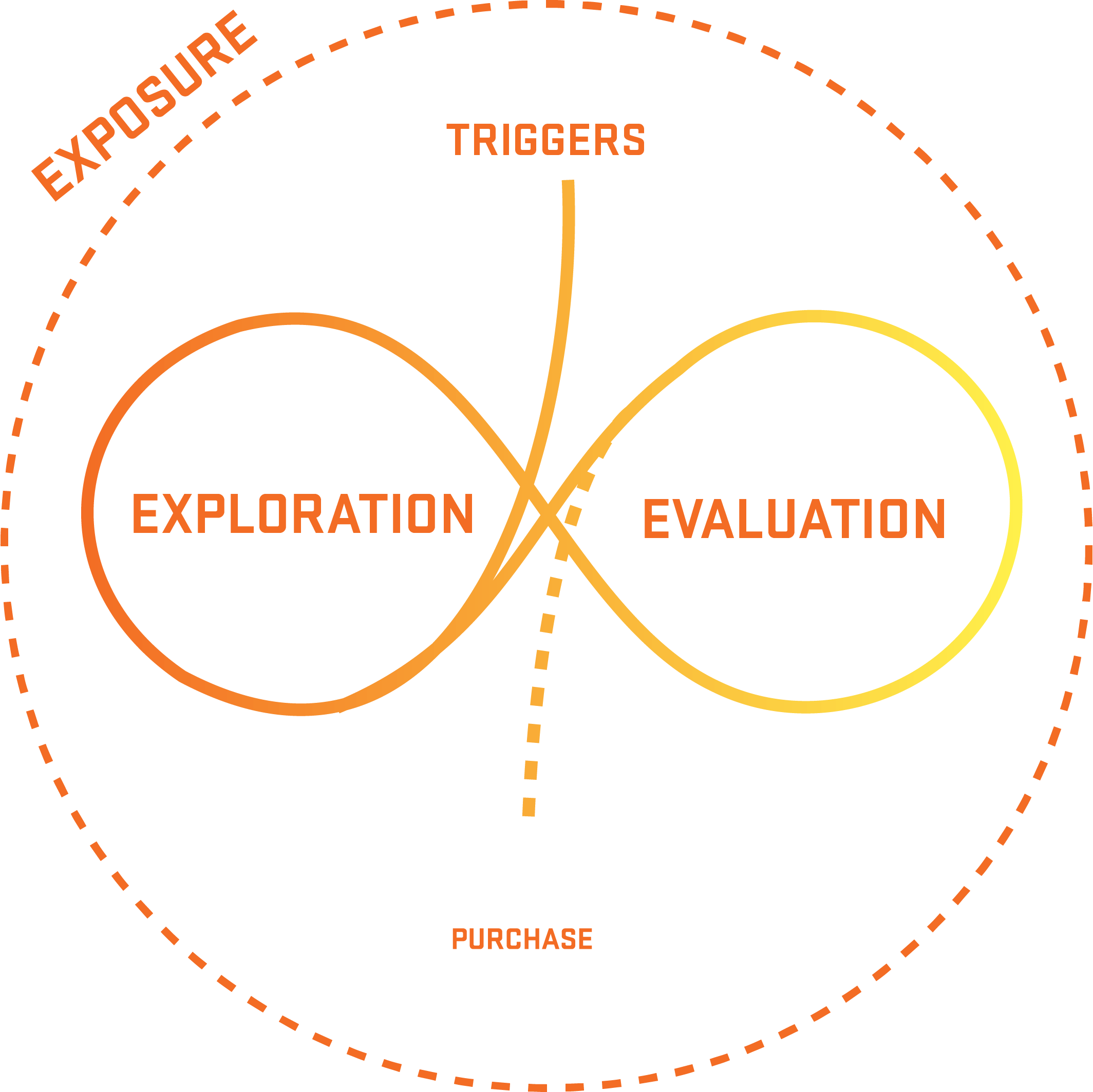
…and purchases a ticket! Congrats. But we’re not done yet. Especially in the theater industry, in which word-of-mouth can make or break your show, the next and final step of the messy middle is invaluable.
Experience
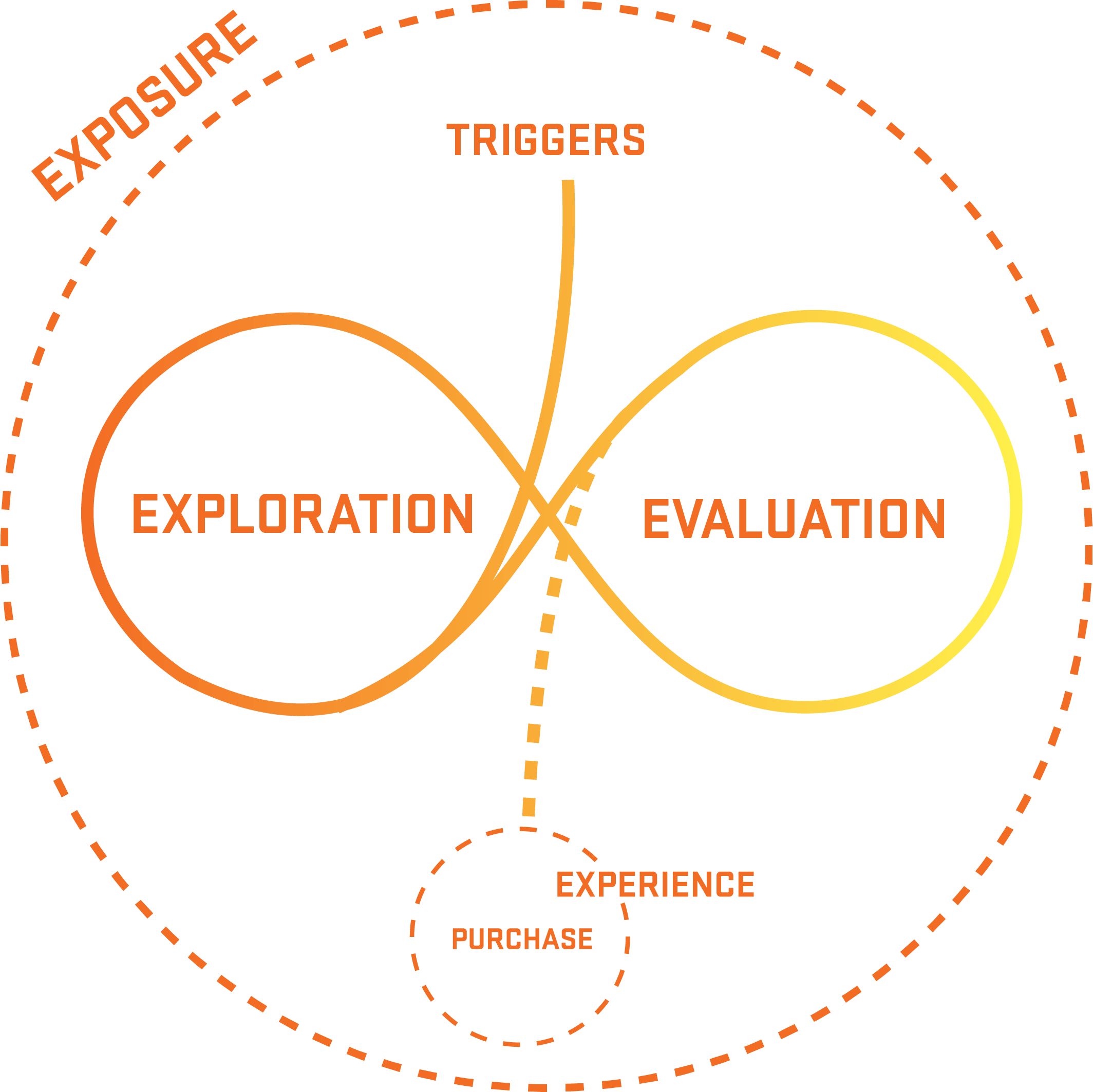
Your consumer has gone through hours of research, spent their hard-earned money, schlepped to midtown and witnessed your show. How was the experience? Did it meet and exceed expectations? Does the consumer want to see the show again? Tell a friend? When leveraged correctly, how each audience member experiences a show can help expose your show to new potential audiences and propel sales.
Advertising in the messy middle
Now that you understand this new consumer-purchase model, where does advertising come in? The answer merits its own article, but suffice it to say: Advertising can effectively guide consumers at every moment in this new model. Ads can help increase exposure, widening the net of potential buyers. Ads can increase in frequency to individual buyers when data indicates they've been triggered and are actively looking to buy a ticket. And, ads for your show can speed up the time it takes a potential buyer to move from one state to another, reducing the likelihood that they choose another show or abandon the idea entirely.
As buyers have more information than ever before and make their decisions online — and as advertising becomes more complex — our models for understanding this process have to keep up. With the messy middle model, you’ll be ready to face this brave new world head-on.
Toby Richkind is the director of digital strategy at the Pekoe Group, where he helps translate the often incomprehensible technobabble of digital media into terms anyone can understand.