































Bryan Hernandez-Luch plays the violin in the musical “Death Becomes Her.” He is one of the 16 instrumentalists positioned in the pit, sunken below the Lunt-Fontanne Theatre stage; the drummer and percussionist play from what they call the “sky pit,” located on the sixth floor.
But even though he’s in the orchestra pit, Hernandez-Luch doesn’t have a direct eyeline to the conductor, who is well on the other side of the space. That’s because the various sections of the orchestra are arranged around a huge foam pool.
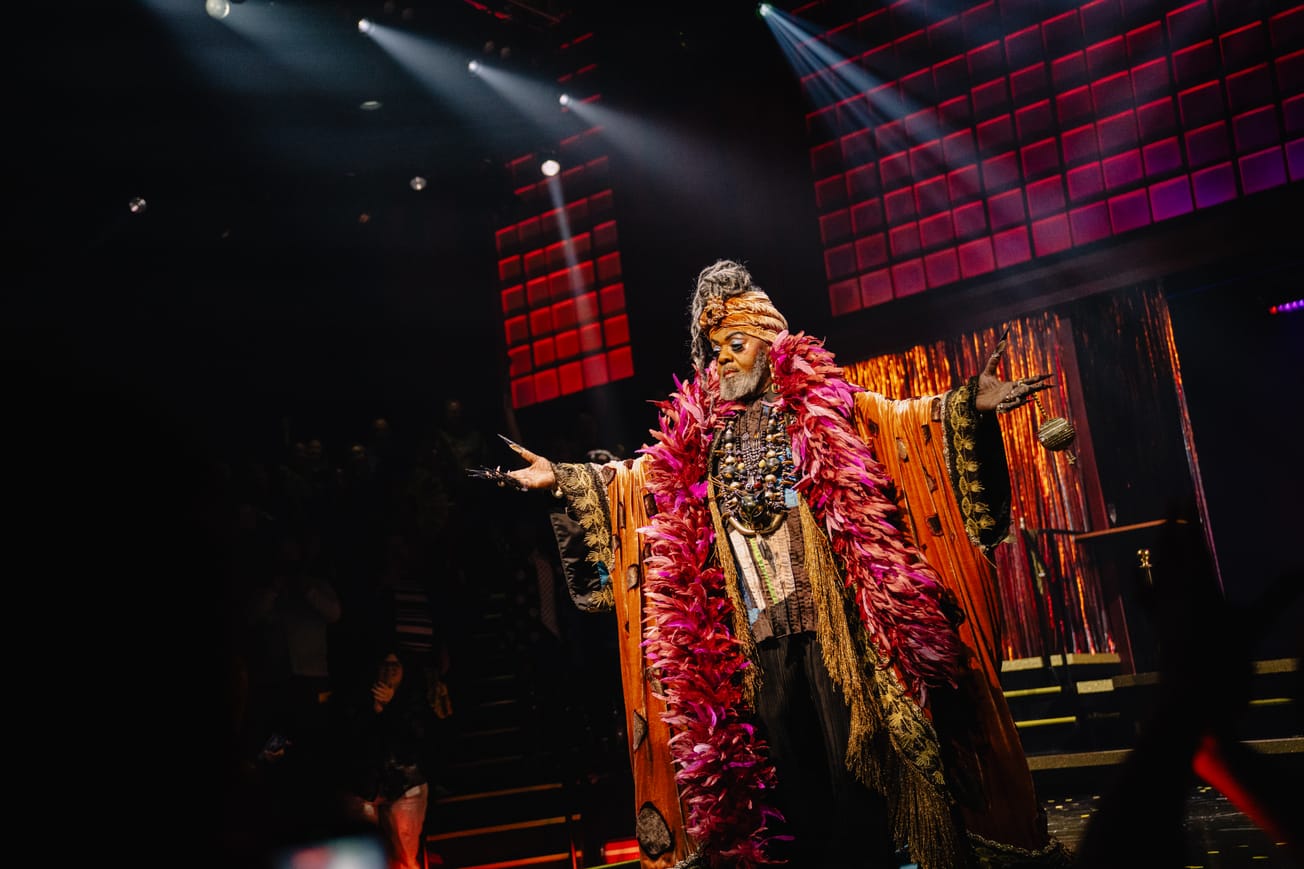
“We weren’t sure when or how it was going to be used until we started rehearsals and previews, and we realized that there’s a human body falling into that [foam] pit every night,” said Hernandez-Luch of actor Christopher Sieber, who drops into it during a lively Act 1 number. “Then [the crew] opens a latch so he can stumble out, they put the foam blocks back in and he waves to us as he walks by and gets ready for his next scene. It was quite a shock at first, but we’re used to it now.”
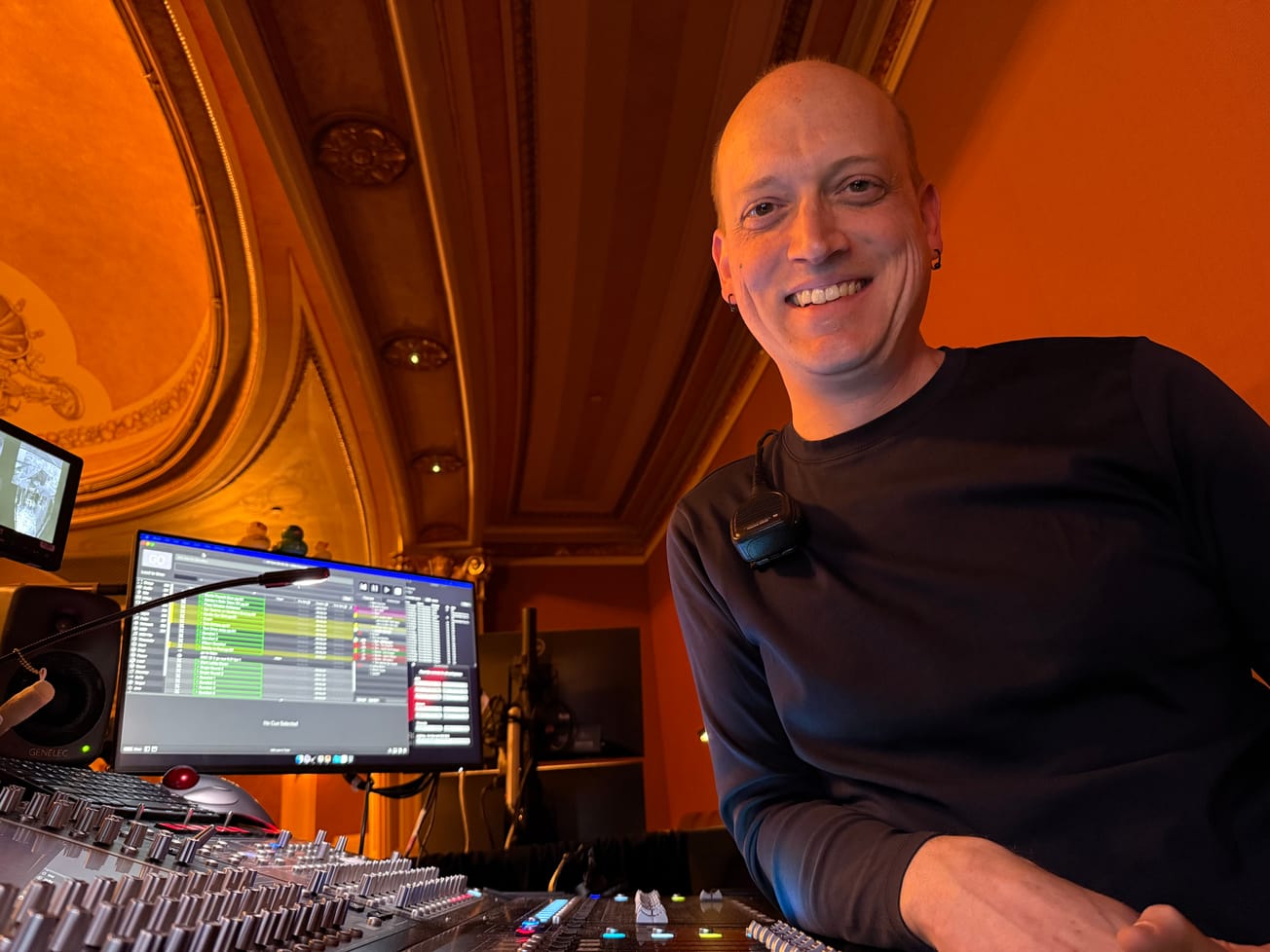
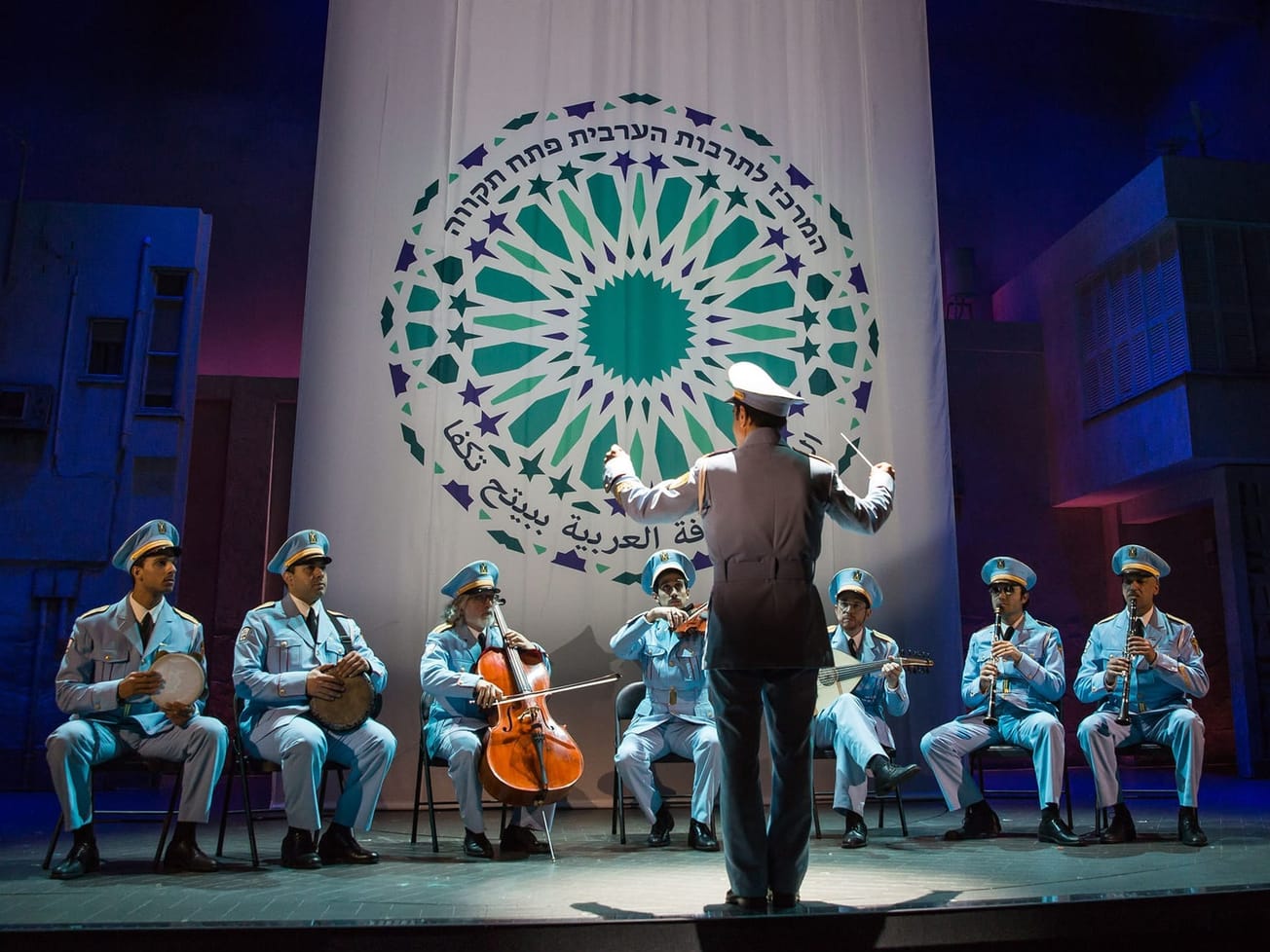
Stunts and special effects are some of many factors that now affect how an orchestra is configured for a Broadway production in order to play together live. “What kind of show is it? How many orchestra members will we have, and are they going to fit into the pit? Is there something scenically that’s going to take up space in the pit? Do they want to see the orchestra onstage at any point?” said “Ragtime” sound designer Kai Harada, who won a Tony Award for his design of “The Band’s Visit” which included a mix of onstage, offstage and below the stage musicians.