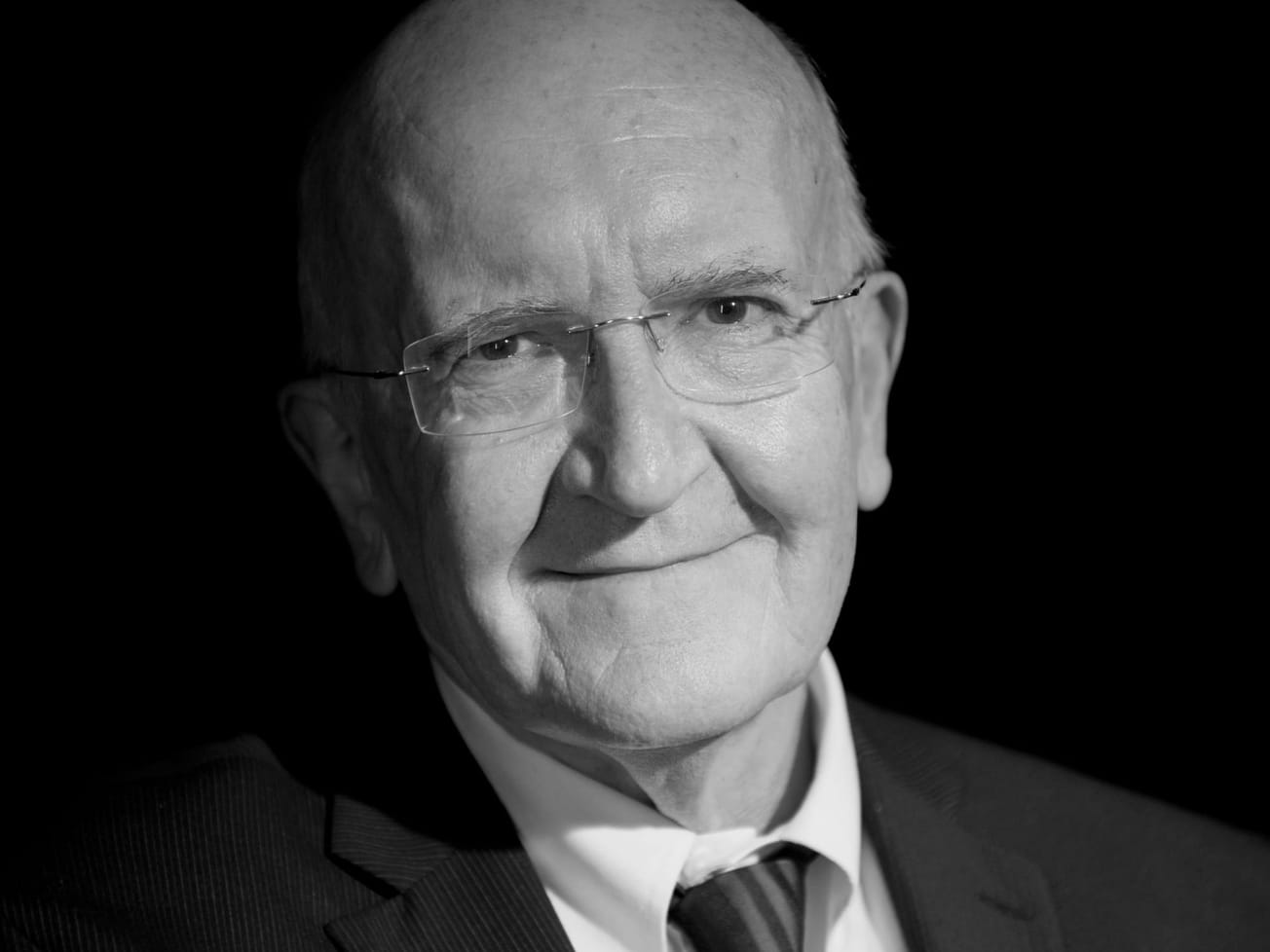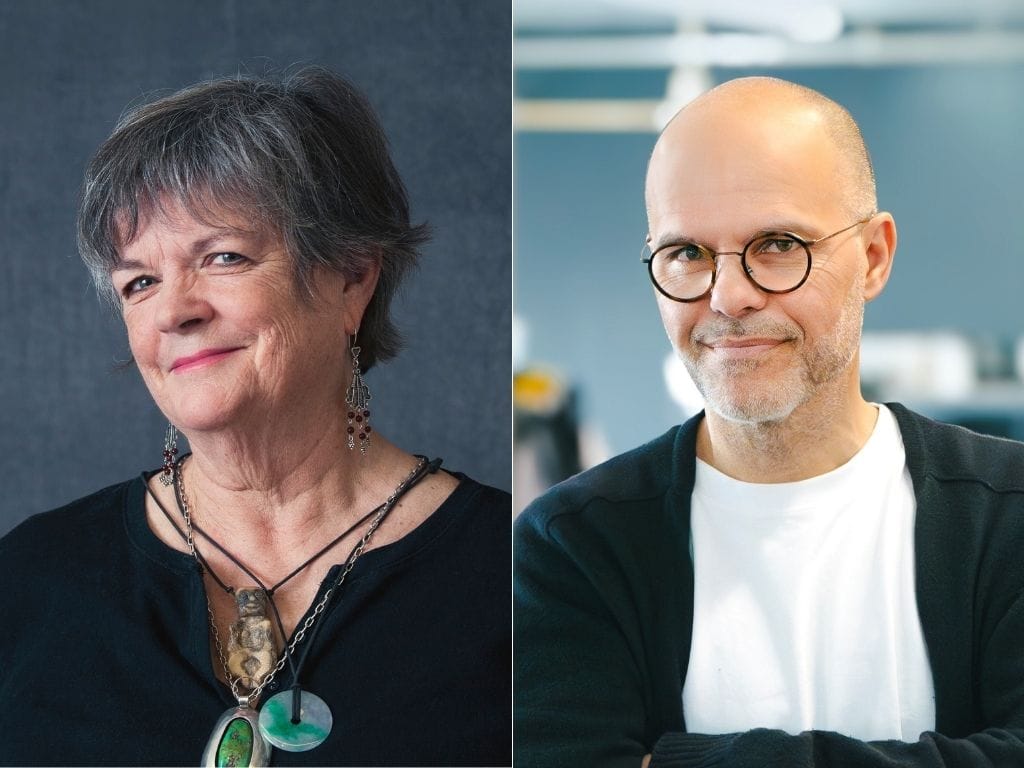





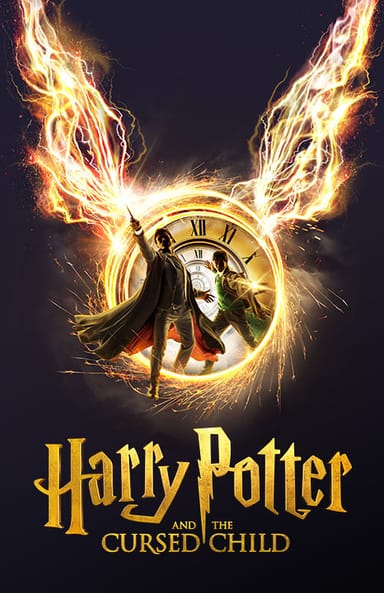
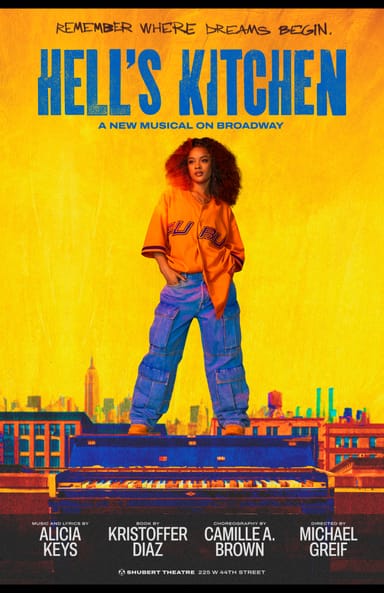
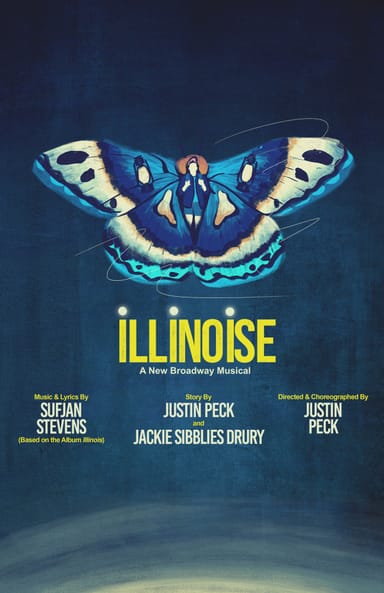
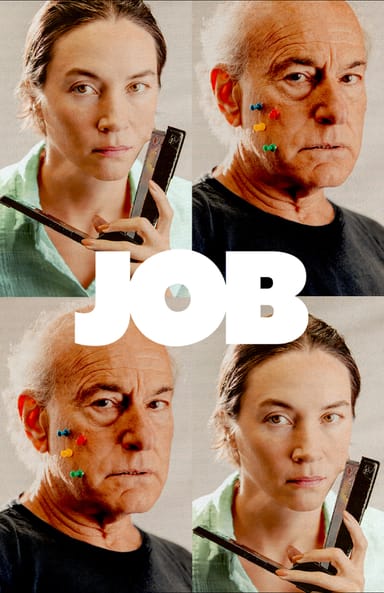

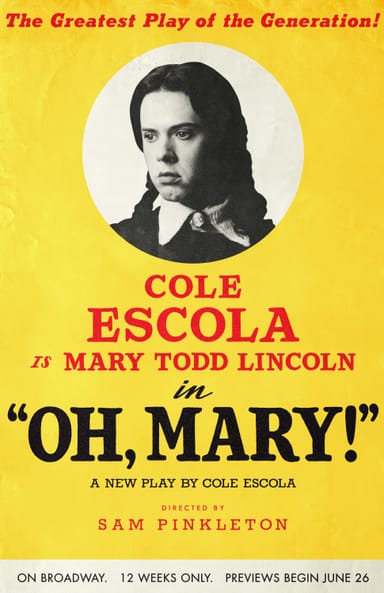
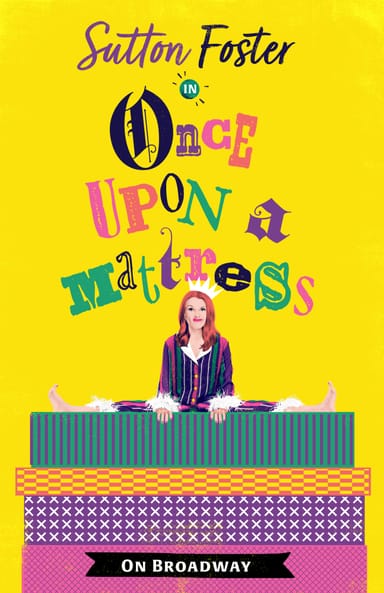
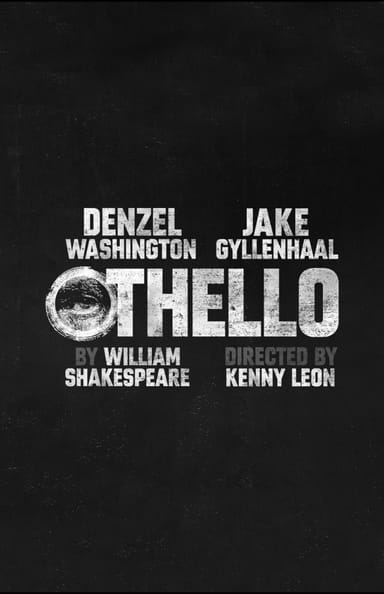


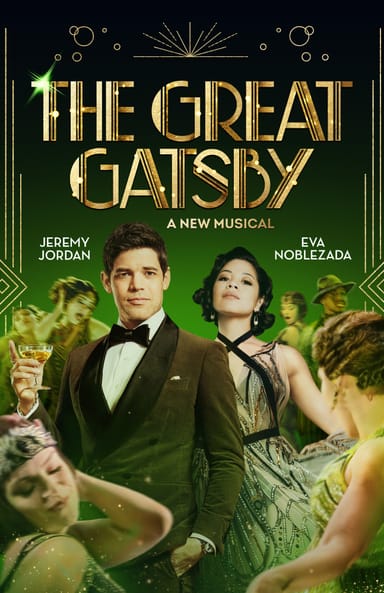
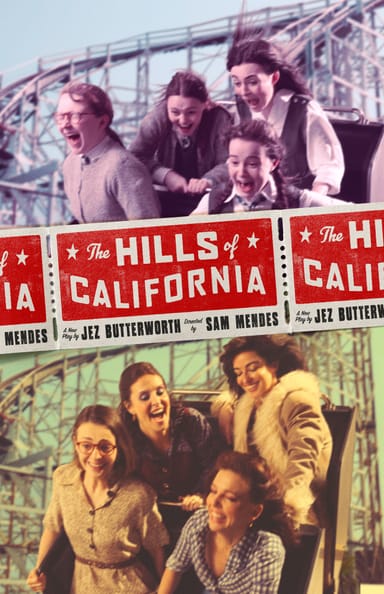
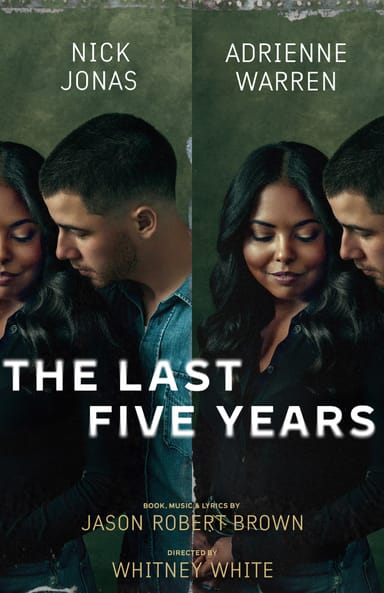


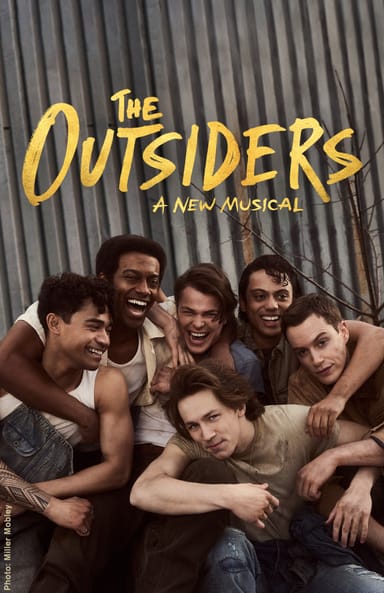




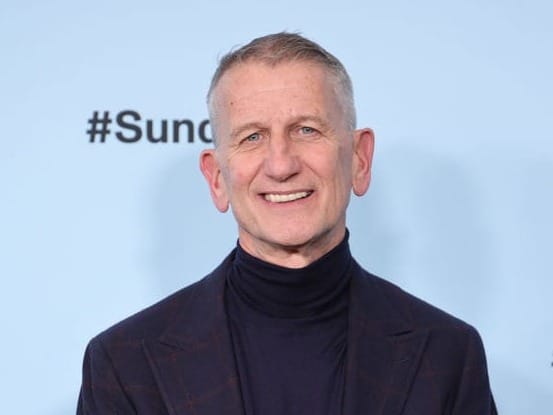
If you know anything about Broadway producer Tom Kirdahy, you likely know he entered the theater industry after meeting his husband, the late four-time Tony Award-winning playwright, Tony honoree and Pulitzer Prize finalist Terrence McNally. But to believe that Kirdahy’s producing career is a product of that relationship would be a vast oversimplification. In fact, Kirdahy’s love for theater dates back to his childhood — growing up on Long Island across the street from Donna Murphy, taking trips into the city to see shows and majoring in politics and dramatic literature during his undergraduate studies at New York University.
“Part of me thought, “Maybe I’ll run for office someday, or maybe I’ll be an entertainment lawyer, specifically in theater,’” Kirdahy recalled of his college-time aspirations. But then the AIDS crisis struck. Kirdahy had specifically applied to NYU (and only NYU) because of its location in the heart of Greenwich Village, a bastion for the queer community where he dreamed he could “feel free.” He went on to NYU Law, and when his community was struck with fear and tragedy, he responded.
“I was a young, healthy gay man, and I just threw myself into providing legal services to people with HIV and AIDS,” Kirdahy said. “I felt a calling.” He planned to practice this type of law for a few years; he did it for 17 — first in the Bronx and then on the East End of Long Island.
While on the East End, Kirdahy’s life slowed down. As his producing roster now reflects, Kirdahy does not do well with boredom. So he became the head of the East End Gay Organization, which addressed issues in the gay community. McNally and the late Tony- and Pulitzer-winning writer Edward Albee were founders, and Kirdahy thought it would be brilliant to produce an afternoon of theater from a gay perspective with McNally, Albee and their Pulitzer-winning peer Lanford Wilson. That 2001 meet-cute led to Kirdahy and McNally’ romances and eventual marriage in 2003.
But it wasn’t until 2004 that Kirdahy decided to halt his law career and start a second chapter in the theater. “When we got together, I said, ‘I’m not giving up my career for you.’ And he was like, ‘I didn’t ask you to.’ Over time, when he was writing or on phone calls or going to workshops to give friends advice, I’d be looking over and started weighing in with my opinions,” Kirdahy recalled. “He and his friends all said, ‘You have a true aptitude for this.’ There came a time when I said to a few producers that I had met, ‘Can I sit in the back of the room? I will bring you coffee. I will lick envelopes.’”
Feeling burnt out from his law work, Kirdahy made good on his promise. The then 40-something fetched coffee and took notes while observing producers like Emanuel Azenberg, Susan Dietz and Liz McCann. The first show Kirdahy raised money for (contributing $25,000) was Douglas Carter Beane’s comedy “The Little Dog Laughed,” whose producing team included Dietz. Kirdahy sat in on meetings and rehearsals.
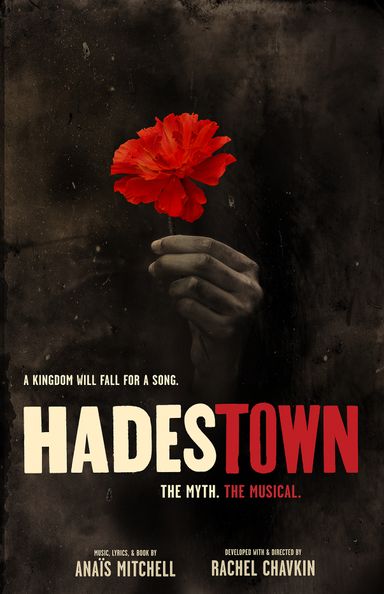
“I just wanted to be a sponge. I was hungry,” Kirdahy urged. Since then, Kirdahy has racked up 21 Broadway producing credits, including the Tony-winning Best Musical “Hadestown” and the Tony-winning Best Play “The Inheritance.” He’s produced pieces by McNally — such as “Mothers and Sons,” “It’s Only a Play” and “Anastasia” — but has also championed numerous other artists. In addition to “Hadestown” (which recouped in 2019), Kirdahy has two other Broadway shows currently running: “Just in Time” (which recently announced a national tour) and the Lincoln Center Theater revival of “Ragtime,” for which McNally penned the book, produced in association with his company (which has extended). Kirdahy took his first step in Hollywood producing the film adaptation of McNally, John Kander and Fred Ebb’s “Kiss of the Spider Woman” musical.
Kirdahy said that once he entered the theater industry, his “soul expanded,” but a genuine foundation had been laid early. Here, the Tony-winning producer offers the lessons he’s learned in his two-decade stage career, his approach to advertising Broadway shows in the current market and his thoughts on movie musicals.
This conversation has been condensed and edited for clarity.
What did you learn in those early observational months, years that set you on your path once you said, “I’m going to do this”?
Tom Kirdahy: What I learned from being an observer with other producers was structural. And what I learned when I came home at night was how artists think and feel and function. Because remember, it wasn’t only coming home to my husband. My whole social circle had really become artists. On our second date, we had dinner with Nathan Lane.
Do you feel like you have a different perspective from some of your colleagues?