




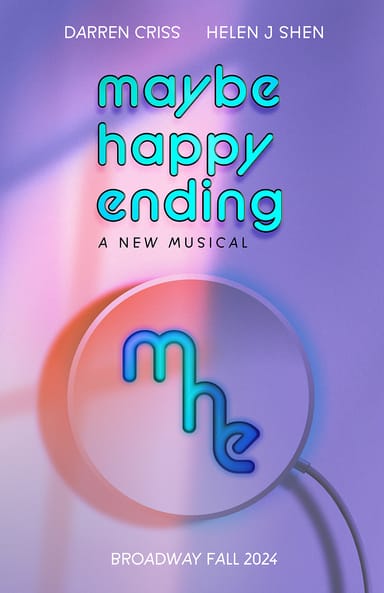
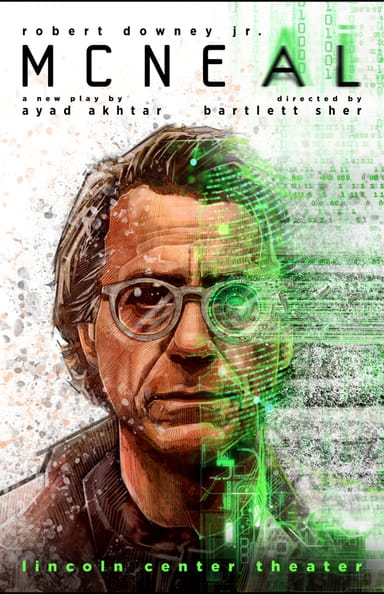
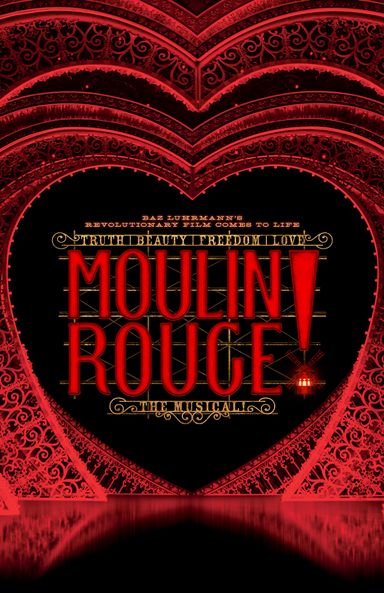
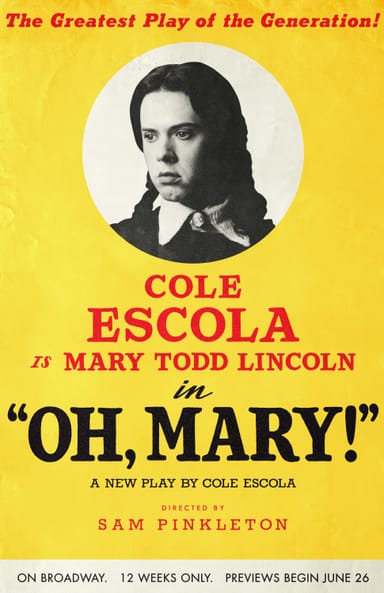







Broadway has a storytelling problem.
For years, the industry has treated press and promotions as separate functions: Publicists shape image and credibility, while marketers build partnerships and drive sales. But audiences don’t separate them. They absorb everything as a single impression — a feeling before they ever set foot inside the theater. Seen through a campaign lens, press and promotions form a unified system:
- External drivers (press, reviews, cultural conversation)
- Experience drivers (partnerships, activations, brand collaborations)
Together, they create a cohesive audience perception.
Fragmented stories
Audience behavior has shifted. Buyers commit later. Attendance is less habitual. Traditional media carries less singular authority. The pathways that once guided ticket decisions — reviews, feature coverage, word-of-mouth — no longer operate in a clear sequence. Discovery now happens in fragments: a post glimpsed in passing, a brand collaboration encountered offstage, an advertisement as a moment that lingers just long enough to register. The result is less an awareness funnel than an awareness collage: a non-linear journey of touchpoints across media, partnerships and environments.