






























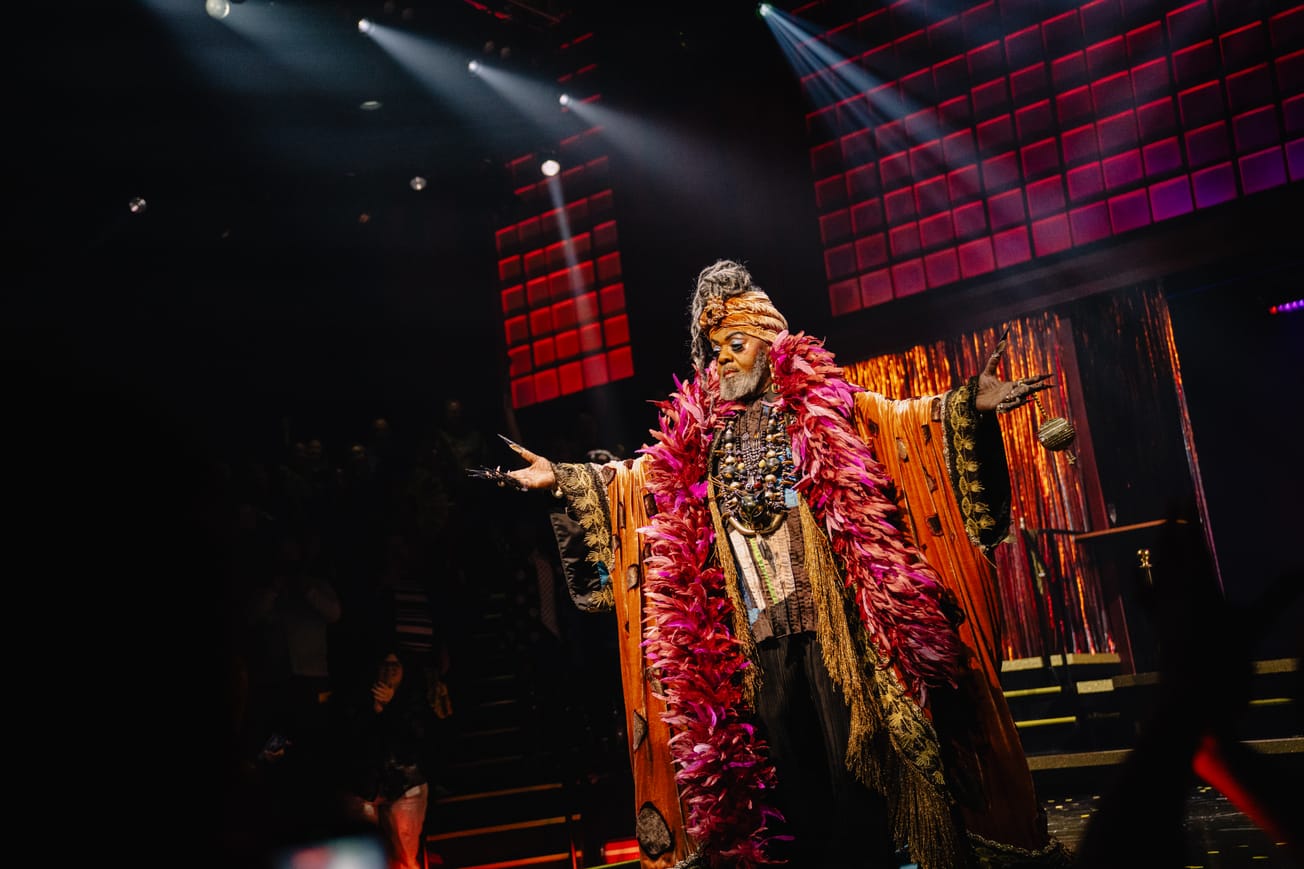
On Sept. 8, 2022, X Casting began its search for performers for an Off-Broadway production of “Cats: The Jellicle Ball,” which would go on to bow in summer 2024. Instead of contacting theatrical agents and stage actors’ managers with the audition notice, the casting directors uploaded a post to social media and specifically addressed the call for virtual submissions to members of New York City’s ballroom community.
This isn’t the typical first step for casting a major revival of a blockbuster musical, especially that of an Andrew Lloyd Webber show that ran for 18 years in its stateside debut. Reaching beyond the usual talent pool of performers with stage credits and representation objectively makes the process much longer and more complex. But this reimagining of “Cats” as “The Jellicle Ball” is set within the ballroom scene — the underground, runway-centric havens of self-expression historically formed by Black and Latino queer people. And the category is authenticity.
“This is not just about representation, it’s actually a step further — it’s about inviting the culture that inspires a piece to really become part of the process,” said X founder and lead casting director Victor Vazquez. “It was important for us and the creative team that we were attempting to engage as many queer artists as possible.”
“We ultimately decided to approach this in a way that was welcoming, inviting and not rushed,” Vazquez continued. “It’s slow, deliberate work, and it’s hard to do in a system where we often have to work quickly. But it’s so worth it, because we’ve found a way to braid these two communities [of theater and ballroom] together in a way that I think hasn’t happened before.”
Vazquez and fellow casting director Sujotta R. Pace shared the casting call on numerous social media platforms as targeted posts to reach the ballroom demographic and made the virtual submission guidelines relatively more accessible than the industry standard — phone selfies as headshots, resumes optional, text messages as a preferred mode of communication. They attended various balls and repeatedly spoke with performers who were interested but intimidated by the opportunity, explaining the commitment needed and encouraging them to consider and then continue auditioning for the unique project.